EUR
EUR  JPY
JPY  SGD
SGD  AED
AED  GBP
GBP  CNY
CNY  CAD
CAD  HKD
HKD  AUD
AUD  CHF
CHF  SEK
SEK  PLN
PLN  NOK
NOK  DKK
DKK  NZD
NZD  ZAR
ZAR  MXN
MXN  THB
THB  HUF
HUF  MYR
MYR 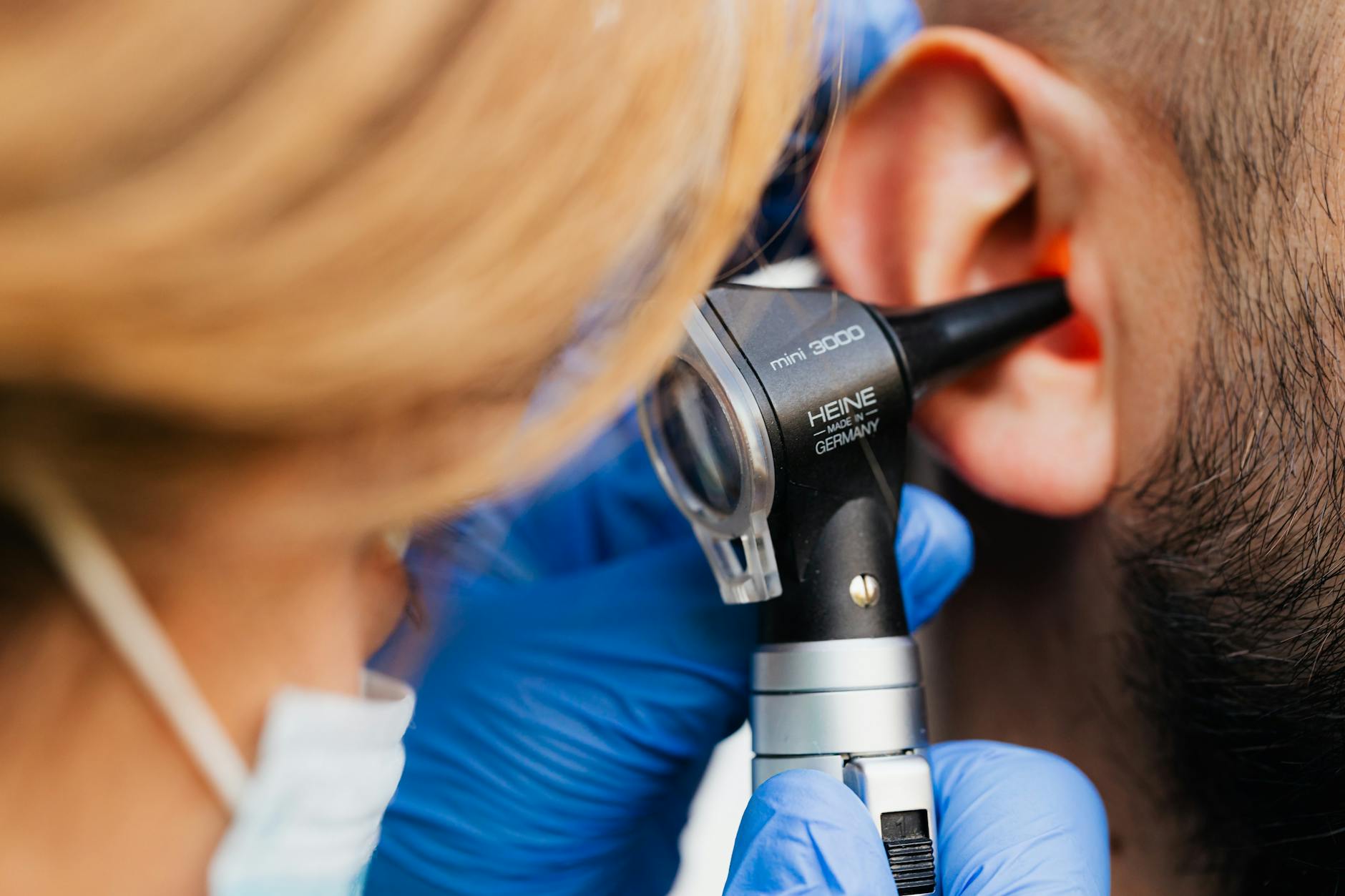
Are you considering otoplasty to enhance the appearance of your ears? This Otoplasty: Ear Pinning Surgery Guide will provide you with all the essential information you need. Otoplasty, commonly known as ear pinning surgery, is a procedure designed to correct protruding or misshapen ears. Whether you’re seeking this surgery for cosmetic reasons or to address a medical concern, understanding the process, costs, and recovery is crucial. Let’s explore everything you need to know about otoplasty.
Understanding the Process of Otoplasty
Watch: Otoplasty (Ear Pinning): Face the Facts with Dr. Lexie Wang | West End Plastic Surgery
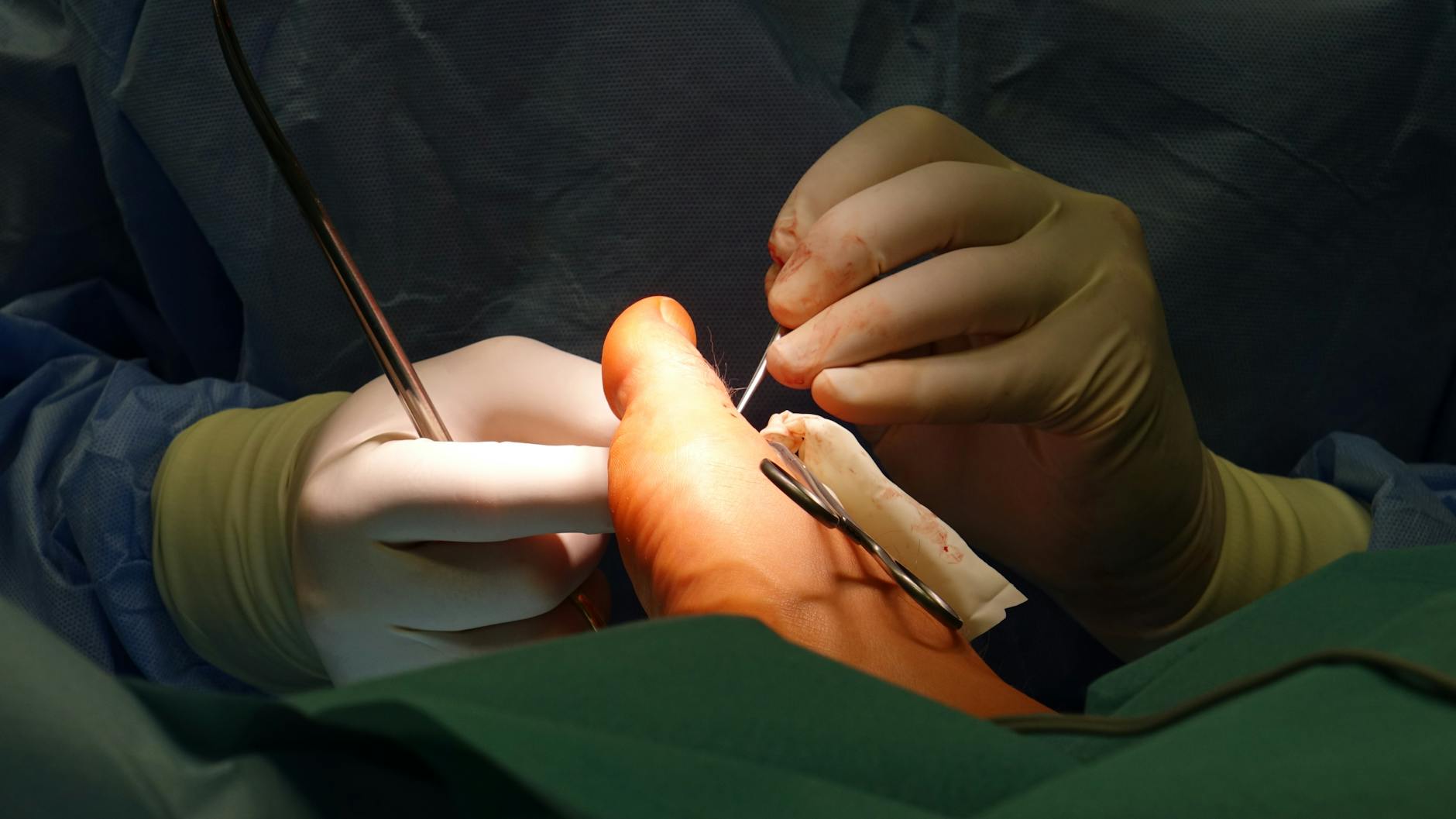
Otoplasty involves reshaping the ear cartilage to create a more natural appearance. The procedure typically lasts two to three hours and is performed under local or general anesthesia, depending on the patient’s age and preference. Surgeons make incisions behind the ear to access the cartilage, allowing them to reshape and secure it closer to the head. This technique minimizes visible scarring and ensures a natural look. This is especially relevant when considering otoplasty: ear pinning surgery guide as part of your overall planning.
Quick Answer:
- Otoplasty reshapes ear cartilage for a natural look.
- Procedure duration: 2-3 hours under anesthesia.
- Recovery time: 1-2 weeks for most patients.
What Are the Benefits of Otoplasty?
Otoplasty offers numerous benefits, both cosmetic and psychological. By correcting protruding or asymmetrical ears, patients often experience a boost in self-confidence. This procedure can be life-changing, especially for children who may face bullying due to their ear appearance. Additionally, otoplasty can improve the overall balance and proportion of facial features, enhancing one’s aesthetic appeal. Many patients find that understanding otoplasty: ear pinning surgery guide helps them make more informed decisions.
Psychological Impact
Many patients report increased self-esteem following otoplasty. The psychological benefits are particularly significant for children and teenagers, who may feel self-conscious about their ears. By addressing these concerns early, otoplasty can prevent long-term emotional distress. Learning about otoplasty: ear pinning surgery guide can provide valuable insights for your journey.
Cosmetic Enhancements
Beyond psychological benefits, otoplasty can significantly improve facial symmetry. By bringing the ears closer to the head, the procedure creates a more harmonious appearance. This change can enhance the overall attractiveness of the face, making otoplasty a popular choice for those seeking cosmetic improvements. These factors directly relate to otoplasty: ear pinning surgery guide and should be carefully evaluated.
How Much Does Otoplasty Cost?
The cost of otoplasty varies depending on the location and the surgeon’s expertise. In the United States, the procedure typically ranges from $3,000 to $5,000. However, opting for otoplasty abroad can offer significant savings. For instance, in Turkey, the cost ranges from $1,500 to $2,500, providing a 50-70% reduction. These prices often include consultation, surgery, and post-operative care. For more context on otoplasty: ear pinning surgery guide, consulting with a qualified specialist is always recommended.
Cost Breakdown
- United States: $3,000-$5,000
- Turkey: $1,500-$2,500 (includes consultation and post-op care)
Choosing to undergo otoplasty abroad not only saves money but also provides access to world-class medical facilities. Many international clinics offer comprehensive packages that include accommodation and transportation, making the process seamless for patients. The connection between these findings and otoplasty: ear pinning surgery guide continues to drive patient interest worldwide.
What Is the Recovery Process Like?
Recovery from otoplasty typically takes one to two weeks. Patients may experience mild discomfort and swelling, which can be managed with prescribed medications. It’s essential to follow the surgeon’s post-operative instructions to ensure a smooth recovery. Keeping otoplasty: ear pinning surgery guide in mind throughout your research will help you achieve better outcomes.
Day-by-Day Recovery
- Day 1-3: Rest and avoid strenuous activities. Keep the head elevated to reduce swelling.
- Day 4-7: Gradually resume light activities. Continue wearing a headband to protect the ears.
- Week 2: Most patients can return to work or school. Swelling and bruising should significantly decrease.
Full recovery may take several weeks, but most patients can see the final results within a month. It’s crucial to attend follow-up appointments to monitor healing progress. As awareness of otoplasty: ear pinning surgery guide grows, more patients are exploring their options abroad.
Are There Any Risks Involved?
Like any surgical procedure, otoplasty carries some risks. These may include infection, bleeding, or unfavorable scarring. However, choosing a qualified and experienced surgeon can significantly minimize these risks. It’s important to discuss potential complications with your doctor before proceeding with the surgery. This is especially relevant when considering otoplasty: ear pinning surgery guide as part of your overall planning.
Minimizing Risks
To reduce the likelihood of complications, follow all pre-operative and post-operative instructions. Ensure that your surgeon is board-certified and has extensive experience in performing otoplasty. Additionally, maintaining good overall health can aid in a smoother recovery.
How to Choose the Right Surgeon for Otoplasty?
Selecting the right surgeon is crucial for a successful otoplasty outcome. Look for a board-certified plastic surgeon with a proven track record in ear surgeries. It’s beneficial to review before-and-after photos of previous patients to assess the surgeon’s skill and aesthetic style.
Questions to Ask Your Surgeon
- How many otoplasty procedures have you performed?
- What is your complication rate?
- Can I see before-and-after photos of your work?
By asking these questions, you can ensure that you choose a surgeon who meets your expectations and provides the highest level of care.
Frequently Asked Questions
Is otoplasty suitable for children?
Yes, otoplasty is often performed on children as young as five years old. Early intervention can prevent psychological distress related to ear appearance.
How long do the results of otoplasty last?
Otoplasty results are typically permanent. Once the ears are reshaped, they should maintain their new position for a lifetime.
Can otoplasty be combined with other procedures?
Yes, otoplasty can be combined with other facial surgeries, such as rhinoplasty, to achieve comprehensive aesthetic improvements.
What type of anesthesia is used for otoplasty?
Otoplasty can be performed under local or general anesthesia, depending on the patient’s age and preference.
Are there any non-surgical alternatives to otoplasty?
Non-surgical options, such as ear molding, are available for infants. However, surgical otoplasty is the most effective solution for older children and adults.
How soon can I return to normal activities after otoplasty?
Most patients can resume normal activities within one to two weeks, but it’s important to avoid strenuous exercise for at least a month.
Contact HealthHop for assistance in booking your medical procedure overseas and start your journey to affordable, world-class healthcare today!