


 EUR
EUR  JPY
JPY  SGD
SGD  AED
AED  GBP
GBP  CNY
CNY  CAD
CAD  HKD
HKD  AUD
AUD  CHF
CHF  SEK
SEK  PLN
PLN  NOK
NOK  DKK
DKK  NZD
NZD  ZAR
ZAR  MXN
MXN  THB
THB  HUF
HUF  MYR
MYR 
Board-Certified Plastic Surgeons Abroad: How to Verify
When considering plastic surgery abroad, ensuring your surgeon is board-certified is crucial. “Board-Certified Plastic Surgeons Abroad: How to Verify” is a key concern for many seeking affordable, high-quality care. This guide will help you navigate the verification process, ensuring you choose a qualified professional. With the rise of medical tourism,
Plastic Surgery in Mexico: Tijuana and Guadalajara Guide
Considering plastic surgery abroad? The Plastic Surgery in Mexico: Tijuana and Guadalajara Guide is your comprehensive resource for understanding why these cities are top destinations for affordable, high-quality cosmetic procedures. With world-class clinics and experienced surgeons, Mexico offers a unique blend of cost savings and exceptional care. Whether you’re looking
Dental Tourism in Hungary: Europe Dental Capital
When it comes to dental tourism, Hungary stands out as the Europe Dental Capital. Known for its high-quality dental care and affordable prices, Hungary attracts thousands of international patients each year. The combination of expert dentists, state-of-the-art facilities, and significant cost savings makes dental tourism in Hungary an appealing option

Medical Tourism Timeline: How Far in Advance to Plan
Planning a medical procedure abroad can be both exciting and daunting. Understanding the Medical Tourism Timeline: How Far in Advance to Plan is crucial for a smooth experience. Whether you’re considering a hair transplant, dental work, or cosmetic surgery, knowing when to start planning can make all the difference. In

Why Medical Care Costs Less Abroad: Understanding Price Differences
Have you ever wondered why medical care costs less abroad? Understanding price differences can be a game-changer for those seeking affordable healthcare. Many patients are turning to medical tourism to access world-class treatments without breaking the bank. But what exactly makes these international options so cost-effective? In this article, we’ll

Hair Transplant Package Deals: What All-Inclusive Really Means
When considering a hair transplant, many people are drawn to the idea of package deals. But what does “all-inclusive” really mean in this context? Hair Transplant Package Deals: What All-Inclusive Really Means is a question that many potential patients ask. These packages often promise a comprehensive experience, but understanding the


Board-Certified Plastic Surgeons Abroad: How to Verify
When considering plastic surgery abroad, ensuring your surgeon is board-certified is crucial. “Board-Certified Plastic Surgeons Abroad: How to Verify” is a key concern for many seeking affordable, high-quality care. This guide will help you navigate the verification process, ensuring you choose a qualified professional. With the rise of medical tourism, understanding how to verify credentials is more important than ever. Let’s explore the steps to ensure your safety and satisfaction. Understanding the Process of Verification Watch: DON'T Get Plastic Surgery in Mexico Until You Check This (Step by Step Guide) Verifying the credentials of board-certified plastic surgeons abroad involves several steps. First, you need to understand what board certification means. It indicates that a surgeon has completed specific training and passed rigorous exams. This certification is a mark of quality and expertise. However, the process can vary by country, so it’s essential to know the specific requirements where you’re planning to have your procedure. This is especially relevant when considering board-certified plastic surgeons abroad: how to verify as part of your overall planning. In many countries, board certification is overseen by national medical boards. For instance, in the United States, the American Board of Plastic Surgery (ABPS) is the certifying body. Similarly, other countries have their own boards, such as the British Association of Plastic, Reconstructive and Aesthetic Surgeons (BAPRAS) in the UK. Understanding these organizations and their standards is crucial for verifying a surgeon’s credentials. Many patients find that understanding board-certified plastic surgeons abroad: how to verify helps them make more informed decisions. Additionally, you should check if the surgeon is affiliated with reputable hospitals or clinics. These institutions often have strict credentialing processes, adding another layer of assurance. Furthermore, look for international accreditations like JCI (Joint Commission International), which indicate adherence to global healthcare standards. Learning about board-certified plastic surgeons abroad: how to verify can provide valuable insights for your journey. Steps to Verify a Surgeon’s Credentials Research the national medical board in the country of your procedure. Check the surgeon’s affiliation with accredited hospitals or clinics. Look for international accreditations like JCI. Read patient reviews and testimonials for firsthand experiences. Why Is Board Certification Important? Board certification is a critical factor in choosing a plastic surgeon abroad. It ensures that the surgeon has undergone extensive training and evaluation. This certification is not just a formality; it reflects a commitment to maintaining high standards of practice. Surgeons who
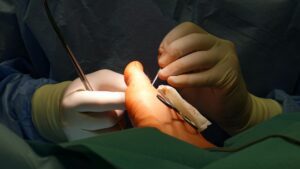
Plastic Surgery in Mexico: Tijuana and Guadalajara Guide
Considering plastic surgery abroad? The Plastic Surgery in Mexico: Tijuana and Guadalajara Guide is your comprehensive resource for understanding why these cities are top destinations for affordable, high-quality cosmetic procedures. With world-class clinics and experienced surgeons, Mexico offers a unique blend of cost savings and exceptional care. Whether you’re looking for a facelift, liposuction, or a tummy tuck, this guide will help you navigate the options available in Tijuana and Guadalajara. Understanding the Process of Plastic Surgery in Mexico Watch: DON'T Get Plastic Surgery in Mexico Until You Check This (Step by Step Guide) Plastic surgery in Mexico, particularly in Tijuana and Guadalajara, is a popular choice for many seeking affordable and high-quality procedures. But how does the process work? First, you’ll need to choose a reputable clinic. Many clinics in these cities are accredited by international organizations, ensuring they meet high standards of care. Once you’ve selected a clinic, you’ll consult with a board-certified surgeon to discuss your goals and expectations. This is especially relevant when considering plastic surgery in mexico: tijuana and guadalajara guide as part of your overall planning. Pre-surgery, you’ll undergo a series of tests to ensure you’re fit for the procedure. The surgery itself will be performed in a state-of-the-art facility, often with English-speaking staff to assist you. Post-surgery, recovery plans are tailored to your needs, with follow-up appointments to monitor your progress. This comprehensive approach ensures that you receive the best care possible. Many patients find that understanding plastic surgery in mexico: tijuana and guadalajara guide helps them make more informed decisions. Why Choose Tijuana and Guadalajara? Tijuana and Guadalajara are renowned for their medical facilities and skilled surgeons. Tijuana, being close to the US border, offers convenience for American patients. Guadalajara, on the other hand, is known for its cultural richness and advanced medical infrastructure. Both cities provide a range of procedures at a fraction of the cost compared to the US. Learning about plastic surgery in mexico: tijuana and guadalajara guide can provide valuable insights for your journey. Quick Overview: Quick Overview: Plastic surgery in Mexico offers 50-70% savings compared to the US. Tijuana and Guadalajara are top destinations for cosmetic procedures. Clinics are internationally accredited with experienced surgeons. Comprehensive care includes pre-surgery tests and post-op follow-ups. How Much Does Plastic Surgery Cost in Mexico? Plastic surgery in Mexico is significantly more affordable than in the United States. For instance, a facelift
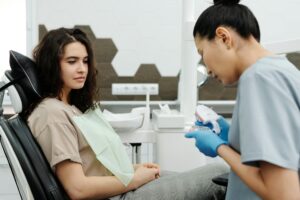
Dental Tourism in Hungary: Europe Dental Capital
When it comes to dental tourism, Hungary stands out as the Europe Dental Capital. Known for its high-quality dental care and affordable prices, Hungary attracts thousands of international patients each year. The combination of expert dentists, state-of-the-art facilities, and significant cost savings makes dental tourism in Hungary an appealing option for many. Whether you’re considering implants, crowns, or cosmetic procedures, Hungary offers world-class treatment at a fraction of the cost you’d find elsewhere. Understanding the Process of Dental Tourism in Hungary Photo by Nikolett Emmert on Pexels Watch: Top Dental Clinic in Budapest, Hungary: 7 Perks You Should Take Advantage Of! When it comes to Dental Tourism in Hungary: Europe Dental Capital, Dental tourism in Hungary involves traveling to the country to receive dental care, often at a lower cost than in one’s home country. The process is straightforward and begins with selecting a reputable clinic. Many clinics offer online consultations, allowing you to discuss your needs and receive a treatment plan before you even book your flight. Once you arrive, you’ll typically have an initial consultation, followed by the procedure, and then a recovery period. Most clinics provide comprehensive packages that include accommodation and transportation, ensuring a seamless experience. This is especially relevant when considering dental tourism in hungary: europe dental capital as part of your overall planning. Quick Overview: Hungary is known as the Europe Dental Capital for its high-quality, affordable dental care. Patients can save up to 70% on dental procedures compared to prices in the US and UK. Many clinics offer all-inclusive packages, including accommodation and transportation. Why Choose Dental Tourism in Hungary? Photo by Paul Davidson on Pexels Choosing dental tourism in Hungary offers numerous benefits. First and foremost, the cost savings are substantial. For example, a dental implant in the US can cost between $3,000 and $6,000, while in Hungary, the same procedure ranges from $800 to $1,500. This represents a savings of up to 75%. Additionally, Hungary boasts a high standard of dental care, with many clinics holding international accreditations such as ISO certifications. The dentists are often trained in Western countries and bring a wealth of experience to their practice. Many patients find that understanding dental tourism in hungary: europe dental capital helps them make more informed decisions. Cost Savings and Quality Care One of the main reasons people opt for dental tourism in Hungary is the cost savings. Procedures like crowns,
Medical Tourism Timeline: How Far in Advance to Plan
Planning a medical procedure abroad can be both exciting and daunting. Understanding the Medical Tourism Timeline: How Far in Advance to Plan is crucial for a smooth experience. Whether you’re considering a hair transplant, dental work, or cosmetic surgery, knowing when to start planning can make all the difference. In this guide, we’ll explore the essential steps and timelines to ensure your medical journey is seamless and stress-free. Understanding the Process Photo by Tima Miroshnichenko on Pexels Watch: Planning bariatric surgery for obesity in Mexico – MedTalk by Medical Tourism S7 – EP30 When it comes to medical tourism, timing is everything. The Medical Tourism Timeline: How Far in Advance to Plan varies depending on the procedure, destination, and personal circumstances. Generally, it’s advisable to start planning at least six months in advance. This allows ample time for research, consultations, and travel arrangements. Quick Overview: Start planning 6-12 months in advance for complex procedures. Research destinations and clinics early to secure the best options. Book flights and accommodations 3-4 months ahead. Schedule consultations and finalize details 1-2 months before travel. How Early Should You Start Planning? Photo by Tara Winstead on Pexels For most medical procedures, starting your planning process 6-12 months in advance is ideal. This timeline allows you to thoroughly research potential destinations and clinics. For instance, if you’re considering a hair transplant in Turkey, you’ll want to explore clinics with high success rates and positive patient reviews. According to the International Society of Hair Restoration Surgery, Turkey performs over 500,000 hair transplants annually, making it a popular choice. This is especially relevant when considering medical tourism timeline: how far in advance to plan as part of your overall planning. Researching Destinations and Clinics Begin by identifying countries known for specific procedures. For example, Mexico is renowned for bariatric surgery, while Thailand excels in cosmetic procedures. Use resources like the Joint Commission International to verify clinic accreditations. This step ensures you choose a facility that meets international safety standards. Many patients find that understanding medical tourism timeline: how far in advance to plan helps them make more informed decisions. Consultations and Initial Contact Once you’ve shortlisted potential clinics, reach out for initial consultations. Many facilities offer virtual consultations, allowing you to discuss your needs and expectations with medical professionals. This stage is crucial for understanding the procedure, recovery time, and potential risks. Learning about medical tourism timeline: how
