Otoplasty: Ear Pinning Surgery Guide - Professional photo for Otoplasty: Ear Pinning Surgery Guide

Otoplasty: Ear Pinning Surgery Guide

Are you considering otoplasty to enhance the appearance of your ears? This Otoplasty: Ear Pinning Surgery Guide will provide you with all the essential information you need. Otoplasty, commonly known as ear pinning surgery, is a procedure designed to correct protruding or misshapen ears. Whether you’re seeking this surgery for yourself or a loved one, understanding the process, costs, and recovery can help you make an informed decision. Let’s explore everything you need to know about otoplasty.

Quick Answer:

  • Otoplasty can cost between $3,000 and $5,000 in the US, but only $1,500 to $2,500 abroad.
  • The procedure typically takes 1-2 hours under local or general anesthesia.
  • Recovery time is usually around 1-2 weeks, with minimal discomfort.
  • HealthHop connects you with top clinics for safe and affordable otoplasty.

When considering Otoplasty: Ear Pinning Surgery Guide,  

For those exploring Otoplasty: Ear Pinning Surgery Guide,  

Many patients interested in Otoplasty: Ear Pinning Surgery Guide find that  

What Is Otoplasty and How Does It Work?

Watch: Otoplasty (Ear Pinning): Face the Facts with Dr. Lexie Wang | West End Plastic Surgery

Understanding Otoplasty: Ear Pinning Surgery Guide is essential because Otoplasty, or ear pinning surgery, is a cosmetic procedure aimed at reshaping the ears to improve their appearance. It involves repositioning the ears closer to the head or reducing their size. The surgery is often performed on children and adults who are self-conscious about their ear shape or size. The procedure typically lasts 1-2 hours and can be done under local or general anesthesia, depending on the patient’s preference and the surgeon’s recommendation.

Why Consider Otoplasty?

Otoplasty: Ear Pinning Surgery Guide offers significant benefits, including Many people opt for otoplasty to boost their self-esteem and confidence. Protruding ears can sometimes lead to teasing or self-consciousness, especially in children. By undergoing this procedure, individuals can achieve a more balanced facial appearance. Additionally, otoplasty can correct congenital deformities or injuries that have affected the ear’s shape.

Procedure Steps

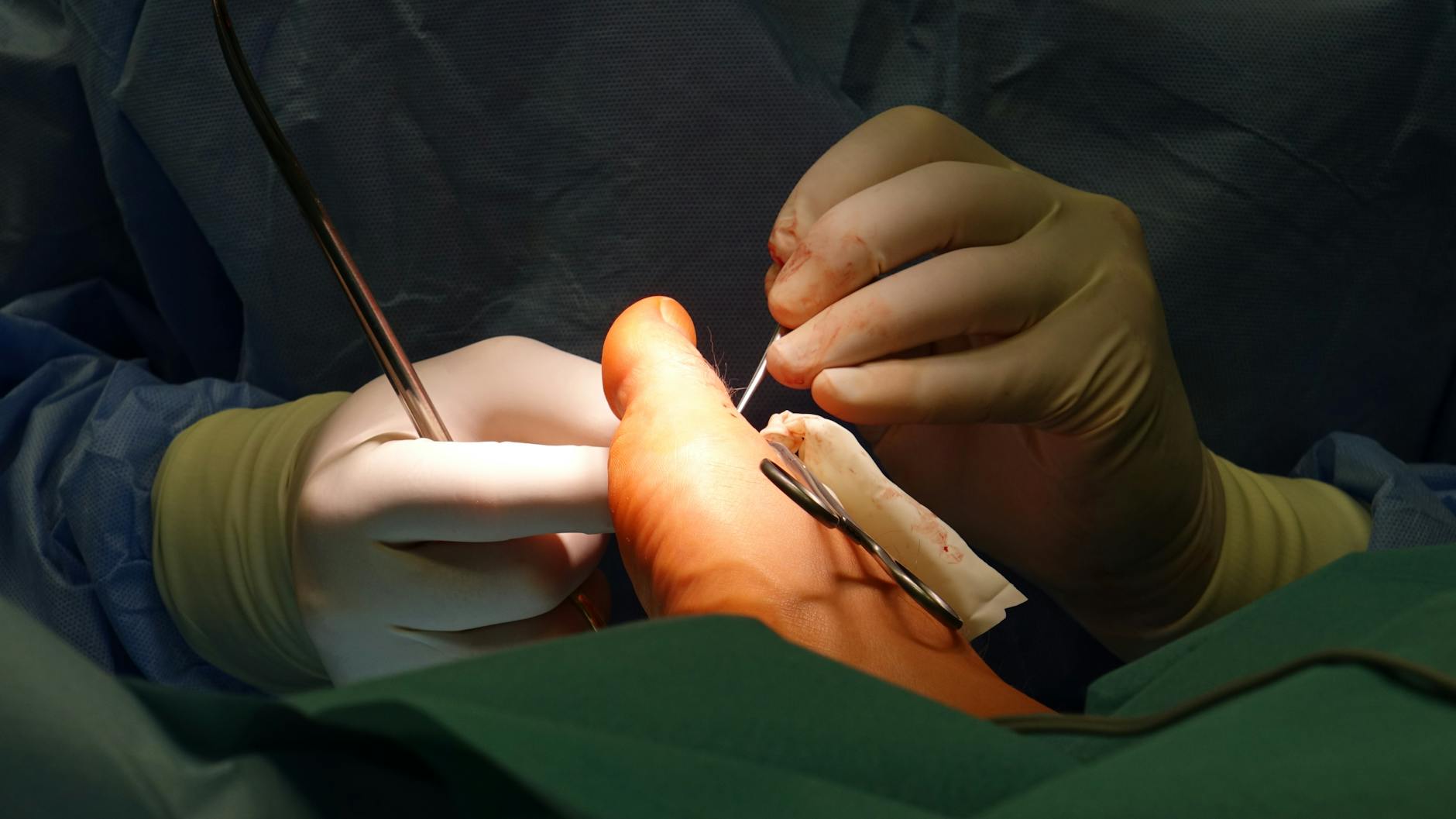
Experts recommend Otoplasty: Ear Pinning Surgery Guide for patients who The otoplasty procedure begins with an incision behind the ear to access the cartilage. The surgeon then reshapes the cartilage, using sutures to hold the new position. Once the desired shape is achieved, the incision is closed with stitches. The entire process is relatively quick, and patients can usually return home the same day.

The growing popularity of Otoplasty: Ear Pinning Surgery Guide stems from  

How Much Does Otoplasty Cost?

Those researching Otoplasty: Ear Pinning Surgery Guide should know that The cost of otoplasty varies significantly depending on the location and the surgeon’s expertise. In the United States, the procedure can range from $3,000 to $5,000. However, opting for surgery abroad can be more cost-effective. For instance, in countries like Turkey or Mexico, the cost ranges from $1,500 to $2,500, offering savings of up to 50%.

Cost Breakdown

When considering the cost, it’s essential to understand what’s included. Typically, the price covers the surgeon’s fee, anesthesia, and facility charges. Some clinics also offer packages that include post-operative care and accommodation, making it easier for international patients.

Insurance and Financing

Otoplasty is often considered a cosmetic procedure, meaning it’s not usually covered by insurance. However, some clinics offer financing options to make the surgery more accessible. It’s advisable to discuss payment plans with your chosen clinic to find a solution that fits your budget.


What to Expect During Recovery?

Recovery from otoplasty is generally straightforward. Most patients experience mild discomfort, which can be managed with pain medication. A headband is often worn for the first week to support the ears in their new position. Swelling and bruising are common but typically subside within two weeks.

Post-Operative Care

Following the surgery, it’s crucial to follow your surgeon’s care instructions. This may include keeping the head elevated, avoiding strenuous activities, and attending follow-up appointments. Proper care ensures optimal healing and results.

Potential Risks and Complications

As with any surgery, otoplasty carries some risks. These may include infection, scarring, or asymmetry. However, choosing a qualified and experienced surgeon can significantly reduce these risks. Always discuss potential complications with your doctor before proceeding.


How to Choose the Right Clinic for Otoplasty?

Choosing the right clinic is crucial for a successful otoplasty experience. Look for clinics with board-certified surgeons and positive patient reviews. Accreditation from organizations like the Joint Commission International (JCI) is a good indicator of quality and safety.

Questions to Ask Your Surgeon

Before committing to a clinic, ask your surgeon about their experience, the number of procedures they’ve performed, and their success rates. Understanding their approach and philosophy can help you feel more comfortable with your decision.

HealthHop’s Role

HealthHop connects you with top-rated clinics worldwide, ensuring you receive safe and affordable care. Our network includes only accredited facilities with experienced surgeons, giving you peace of mind throughout your medical journey.


Frequently Asked Questions

Is otoplasty painful?

Otoplasty is generally not painful. Most patients experience mild discomfort, which can be managed with pain medication.

How long does otoplasty take?

The procedure typically takes 1-2 hours, depending on the complexity of the case.

Can children undergo otoplasty?

Yes, otoplasty is often performed on children as young as five years old to correct protruding ears.

What is the success rate of otoplasty?

Otoplasty has a high success rate, with most patients achieving their desired results.

Are there any visible scars after otoplasty?

Scars are minimal and usually hidden behind the ear, making them barely noticeable.

How soon can I return to work after otoplasty?

Most patients can return to work or school within a week, depending on their recovery progress.

Contact HealthHop for assistance in booking your medical procedure overseas and start your journey to affordable, world-class healthcare today!
Comments

what to read next

Medical Tourism Timeline: How Far in Advance to Plan - Professional Pexels photo

Medical Tourism Timeline: How Far in Advance to Plan

Planning a medical procedure abroad can be both exciting and daunting. Understanding the Medical Tourism Timeline: How Far in Advance to Plan is crucial for a smooth experience. Whether you’re considering a hair transplant, dental work, or cosmetic surgery, knowing when to start planning can make all the difference. In

Read More »
Why Medical Care Costs Less Abroad: Understanding Price Differences - Professional Pexels photo

Why Medical Care Costs Less Abroad: Understanding Price Differences

Have you ever wondered why medical care costs less abroad? Understanding price differences can be a game-changer for those seeking affordable healthcare. Many patients are turning to medical tourism to access world-class treatments without breaking the bank. But what exactly makes these international options so cost-effective? In this article, we’ll

Read More »

Hair Transplant Package Deals: What All-Inclusive Really Means

When considering a hair transplant, many people are drawn to the idea of package deals. But what does “all-inclusive” really mean in this context? Hair Transplant Package Deals: What All-Inclusive Really Means is a question that many potential patients ask. These packages often promise a comprehensive experience, but understanding the

Read More »
Istanbul While Recovering: Things to Do Between Appointments - Professional Pexels photo

Istanbul While Recovering: Things to Do Between Appointments

When you’re in Istanbul while recovering from a medical procedure, you might wonder how to make the most of your time between appointments. This vibrant city offers a unique blend of history, culture, and relaxation, making it an ideal place to recuperate. Whether you’re strolling through ancient streets or enjoying

Read More »
Otoplasty: Ear Pinning Surgery Guide - Professional Pexels photo

Otoplasty: Ear Pinning Surgery Guide

Are you considering otoplasty to enhance the appearance of your ears? This Otoplasty: Ear Pinning Surgery Guide will provide you with all the essential information you need. Otoplasty, commonly known as ear pinning surgery, is a procedure designed to correct protruding or misshapen ears. Whether you’re seeking this surgery for

Read More »
Medical Tourism in Turkey: Travel Guide and Sightseeing Tips - Professional Pexels photo

Medical Tourism in Turkey: Travel Guide and Sightseeing Tips

Photo by Sarowar Hussain on Pexels Medical tourism in Turkey is booming, offering patients a unique blend of affordable healthcare and rich cultural experiences. With top-notch medical facilities and experienced professionals, Turkey has become a preferred destination for those seeking quality medical procedures at a fraction of the cost. This

Read More »

more articles

Medical Tourism Timeline: How Far in Advance to Plan - Professional Pexels photo

Medical Tourism Timeline: How Far in Advance to Plan

Planning a medical procedure abroad can be both exciting and daunting. Understanding the Medical Tourism Timeline: How Far in Advance to Plan is crucial for a smooth experience. Whether you’re considering a hair transplant, dental work, or cosmetic surgery, knowing when to start planning can make all the difference. In this guide, we’ll explore the essential steps and timelines to ensure your medical journey is seamless and stress-free. Understanding the Process Photo by Tima Miroshnichenko on Pexels Watch: Planning bariatric surgery for obesity in Mexico – MedTalk by Medical Tourism S7 – EP30 When it comes to medical tourism, timing is everything. The Medical Tourism Timeline: How Far in Advance to Plan varies depending on the procedure, destination, and personal circumstances. Generally, it’s advisable to start planning at least six months in advance. This allows ample time for research, consultations, and travel arrangements. Quick Overview: Start planning 6-12 months in advance for complex procedures. Research destinations and clinics early to secure the best options. Book flights and accommodations 3-4 months ahead. Schedule consultations and finalize details 1-2 months before travel. How Early Should You Start Planning? Photo by Tara Winstead on Pexels For most medical procedures, starting your planning process 6-12 months in advance is ideal. This timeline allows you to thoroughly research potential destinations and clinics. For instance, if you’re considering a hair transplant in Turkey, you’ll want to explore clinics with high success rates and positive patient reviews. According to the International Society of Hair Restoration Surgery, Turkey performs over 500,000 hair transplants annually, making it a popular choice. This is especially relevant when considering medical tourism timeline: how far in advance to plan as part of your overall planning. Researching Destinations and Clinics Begin by identifying countries known for specific procedures. For example, Mexico is renowned for bariatric surgery, while Thailand excels in cosmetic procedures. Use resources like the Joint Commission International to verify clinic accreditations. This step ensures you choose a facility that meets international safety standards. Many patients find that understanding medical tourism timeline: how far in advance to plan helps them make more informed decisions. Consultations and Initial Contact Once you’ve shortlisted potential clinics, reach out for initial consultations. Many facilities offer virtual consultations, allowing you to discuss your needs and expectations with medical professionals. This stage is crucial for understanding the procedure, recovery time, and potential risks. Learning about medical tourism timeline: how

Read Article »
Why Medical Care Costs Less Abroad: Understanding Price Differences - Professional Pexels photo

Why Medical Care Costs Less Abroad: Understanding Price Differences

Have you ever wondered why medical care costs less abroad? Understanding price differences can be a game-changer for those seeking affordable healthcare. Many patients are turning to medical tourism to access world-class treatments without breaking the bank. But what exactly makes these international options so cost-effective? In this article, we’ll explore the factors that contribute to lower medical costs overseas and how you can benefit from them. This is especially relevant when considering why medical care costs less abroad: understanding price differences as part of your overall planning. Understanding the Process Watch: The real reason American health care is so expensive Quick Overview: Lower labor costs and operational expenses reduce prices abroad. Currency exchange rates can make treatments cheaper for foreign patients. Government subsidies and incentives often support healthcare industries. High competition among clinics drives prices down. How Do Lower Labor Costs Affect Medical Prices? Lower labor costs are a significant factor in why medical care costs less abroad. In many countries, the cost of living is lower, which translates to reduced wages for healthcare professionals. For instance, a surgeon in India might earn a fraction of what their counterpart in the United States makes. This difference allows clinics to offer competitive pricing without compromising on quality. Many patients find that understanding why medical care costs less abroad: understanding price differences helps them make more informed decisions. Real-World Examples Consider Thailand, where the average salary for a nurse is around $10,000 per year compared to $75,000 in the US. This disparity allows Thai hospitals to offer procedures at a fraction of the cost. Similarly, in Mexico, dental procedures can be up to 70% cheaper due to lower operational costs. Learning about why medical care costs less abroad: understanding price differences can provide valuable insights for your journey. Implications for Patients For patients, this means access to affordable care without sacrificing quality. Lower labor costs don’t equate to lower standards. Many international clinics maintain high standards, often accredited by organizations like the Joint Commission International (JCI). These factors directly relate to why medical care costs less abroad: understanding price differences and should be carefully evaluated. What Role Do Currency Exchange Rates Play? Currency exchange rates are another reason why medical care costs less abroad. When the US dollar is strong against other currencies, American patients can enjoy significant savings. For example, a procedure costing 10,000 euros in Europe might only cost

Read Article »

Hair Transplant Package Deals: What All-Inclusive Really Means

When considering a hair transplant, many people are drawn to the idea of package deals. But what does “all-inclusive” really mean in this context? Hair Transplant Package Deals: What All-Inclusive Really Means is a question that many potential patients ask. These packages often promise a comprehensive experience, but understanding the specifics can help you make an informed decision. In this article, we’ll explore the components of these deals, what you can expect, and how to choose the best option for your needs. Understanding Hair Transplant Package Deals Watch: Pros and Cons of FUE Hair Transplant | The Hair Loss Show can vary significantly from one provider to another. Generally, these packages include the procedure itself, accommodation, transportation, and sometimes even meals. However, the specifics can differ, so it’s crucial to read the fine print. Quick Overview: Packages often include the procedure, hotel stay, and airport transfers. Costs can range from $2,000 to $15,000 depending on the destination. Look for JCI-accredited clinics for quality assurance. What Does “All-Inclusive” Cover? When you see “all-inclusive” in Hair Transplant Package Deals: What All-Inclusive Really Means, it typically covers several key components. First, the procedure itself is included, which can range from $2,000 to $15,000 depending on the location and clinic. Additionally, accommodation is often part of the package, with stays in nearby hotels ranging from three to seven nights. Procedure and Medical Care The core of any hair transplant package is the procedure. This includes the initial consultation, the surgery, and post-operative care. Clinics often provide a detailed breakdown of what’s included, such as the number of grafts and the type of technique used, like FUE or FUT. Accommodation and Transportation Most packages include accommodation in a hotel close to the clinic. This is convenient for follow-up visits and ensures a comfortable recovery. Transportation from the airport to the hotel and clinic is usually covered, providing a seamless experience. How Much Can You Save? One of the main attractions of Hair Transplant Package Deals: What All-Inclusive Really Means is the potential savings. In the US, a hair transplant can cost between $4,000 and $15,000. In countries like Turkey, the same procedure might cost $2,000 to $4,000, offering savings of up to 70%. Cost Breakdown Here’s a typical cost comparison: Location Cost Included Savings United States $4,000-$15,000 Procedure only – Turkey $2,000-$4,000 All-inclusive package Up to 70% Additional Savings Beyond the procedure, packages often include

Read Article »
Istanbul While Recovering: Things to Do Between Appointments - Professional Pexels photo

Istanbul While Recovering: Things to Do Between Appointments

When you’re in Istanbul while recovering from a medical procedure, you might wonder how to make the most of your time between appointments. This vibrant city offers a unique blend of history, culture, and relaxation, making it an ideal place to recuperate. Whether you’re strolling through ancient streets or enjoying a cup of Turkish tea, Istanbul provides a perfect backdrop for recovery. In this guide, we’ll explore some of the best things to do in Istanbul while recovering, ensuring your experience is both enjoyable and rejuvenating. This is especially relevant when considering istanbul while recovering: things to do between appointments as part of your overall planning.       Understanding the Process Quick Answer: Explore the historic Sultanahmet district for a cultural experience. Relax at a traditional Turkish bath to aid recovery. Enjoy a leisurely Bosphorus cruise for stunning views.   What Can You Do in Sultanahmet? Sultanahmet is the heart of Istanbul’s historical district, offering a rich tapestry of cultural landmarks. You can visit the iconic Hagia Sophia, a masterpiece of Byzantine architecture, or the Blue Mosque, known for its stunning blue tiles. These sites are not only visually captivating but also provide a peaceful environment for reflection and relaxation. Many patients find that understanding istanbul while recovering: things to do between appointments helps them make more informed decisions. Exploring the Hagia Sophia The Hagia Sophia, originally a cathedral, later a mosque, and now a museum, is a must-see. Its massive dome and intricate mosaics are breathtaking. Spending time here allows you to appreciate the blend of Christian and Islamic art, offering a serene escape from the hustle and bustle. Learning about istanbul while recovering: things to do between appointments can provide valuable insights for your journey. Visiting the Blue Mosque Just a short walk from the Hagia Sophia, the Blue Mosque stands as a symbol of Istanbul’s rich history. Its six minarets and cascading domes create a stunning silhouette against the sky. Inside, the mosque’s blue tiles and stained glass windows provide a calming atmosphere, perfect for quiet contemplation. These factors directly relate to istanbul while recovering: things to do between appointments and should be carefully evaluated.   How Can a Turkish Bath Aid Recovery? Experiencing a traditional Turkish bath, or hammam, can be incredibly beneficial during recovery. The combination of steam, heat, and massage helps to relax muscles and improve circulation, promoting healing. Istanbul is home to

Read Article »