EUR
EUR  JPY
JPY  SGD
SGD  AED
AED  GBP
GBP  CNY
CNY  CAD
CAD  HKD
HKD  AUD
AUD  CHF
CHF  SEK
SEK  PLN
PLN  NOK
NOK  DKK
DKK  NZD
NZD  ZAR
ZAR  MXN
MXN  THB
THB  HUF
HUF  MYR
MYR 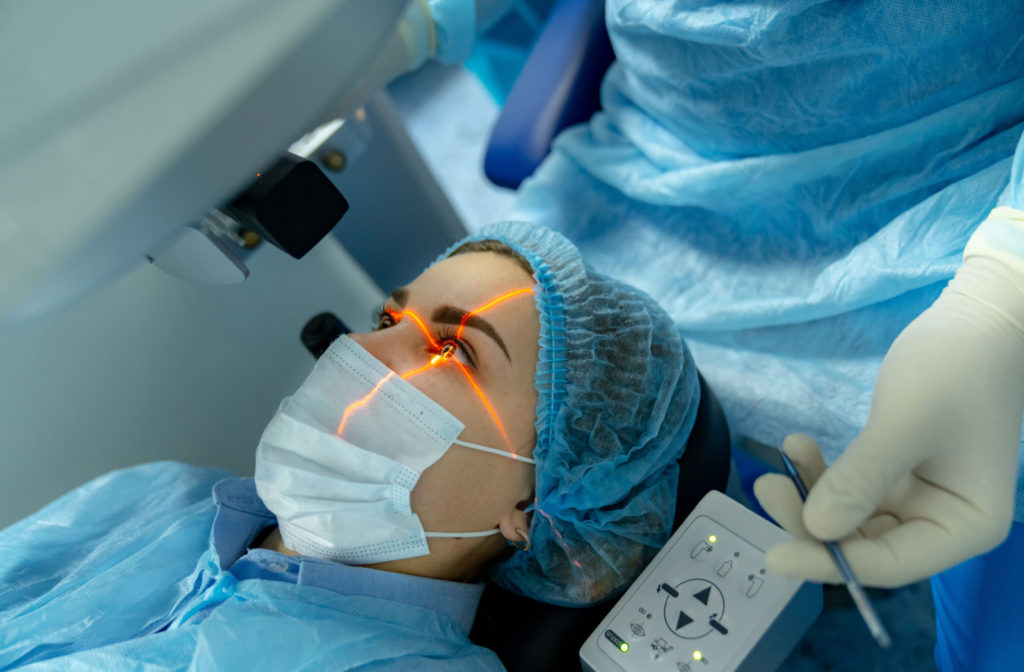
The world of eye procedures is constantly evolving, offering new solutions for vision correction and eye health. These advancements are crucial for those seeking to improve their sight or address specific eye conditions. But what exactly do these procedures entail, and how do they impact our daily lives?
Types of Eye Procedures
When it comes to eye procedures, there are several options available, each designed to address different needs. From laser surgeries to corrective lenses, the choices can be overwhelming. However, understanding the basics can help you make informed decisions.
Laser Eye Surgery
Laser eye surgery is one of the most popular eye procedures today. It includes techniques like LASIK and PRK, which reshape the cornea to correct vision issues. These surgeries are often quick, with minimal recovery time. However, they may not be suitable for everyone, so a thorough consultation with an eye specialist is essential.
Cataract Surgery
Cataract turkey-what-to-expect/”>surgery is another common procedure, especially among older adults. It involves removing the cloudy lens of the eye and replacing it with an artificial one. This turkey-what-to-expect/”>surgery can significantly improve vision and quality of life. According to experts, it’s one of the safest and most effective eye procedures available.
Benefits and Risks of Eye Procedures
While eye procedures offer numerous benefits, they also come with potential risks. Understanding these can help you weigh your options carefully.
Benefits
- Improved vision clarity
- Reduced dependency on glasses or contact lenses
- Enhanced quality of life
These benefits can be life-changing, allowing individuals to engage in activities they previously found challenging.
Risks
However, like any medical procedure, there are risks involved. These may include dry eyes, glare, or even vision loss in rare cases. Therefore, it’s crucial to discuss these risks with your healthcare provider before proceeding.
Choosing the Right Eye Procedure
Deciding on the right eye procedure involves several factors. Your eye health, lifestyle, and personal preferences all play a role. But how do you make the best choice?
Consultation with Specialists
Consulting with an eye specialist is the first step. They can assess your eye health and recommend the most suitable procedure. Additionally, they can provide insights into the latest advancements and technologies in the field.
Research and Reviews
Researching different eye procedures and reading patient reviews can also be helpful. This information can give you a better understanding of what to expect and help you prepare for the procedure.
Cost Considerations
The cost of eye procedures can vary significantly. Factors such as the type of procedure, the surgeon’s experience, and the location of the clinic all influence the price. Therefore, it’s essential to consider your budget and explore financing options if necessary.
Insurance Coverage
Some insurance plans may cover certain eye procedures, especially if they are deemed medically necessary. It’s advisable to check with your insurance provider to understand what is covered and what isn’t.
Payment Plans
Many clinics offer payment plans to make these procedures more accessible. Discussing these options with the clinic can help you manage the financial aspect more effectively.
Actionable Takeaways
Understanding eye procedures is crucial for making informed decisions about your eye health. Here are some steps you can take:
- Schedule a consultation with an eye specialist to explore your options.
- Research different procedures and read patient reviews.
- Consider the costs and explore insurance coverage or payment plans.
By taking these steps, you can ensure that you choose the right procedure for your needs, leading to better vision and an improved quality of life.