Ulnar collateral ligament (UCL) reconstruction (Hand Surgery) - Professional photo for Ulnar collateral ligament (UCL) reconstruction

Ulnar collateral ligament (UCL) reconstruction

often referred to as Tommy John surgery, is a procedure that has gained significant attention, especially among athletes. This surgery is primarily performed to repair a torn UCL in the elbow, a common injury among baseball pitchers and other athletes who engage in repetitive throwing motions. Understanding the intricacies of UCL reconstruction can help patients make informed decisions about their treatment options. In this article, we’ll explore the procedure, its benefits, costs, and what you can expect during recovery.

Quick Answer:

  • UCL reconstruction is a surgical procedure to repair a torn ligament in the elbow.
  • Common among athletes, especially baseball pitchers.
  • Costs range from $15,000 to $50,000 in the US, with significant savings overseas.
  • Recovery can take 12-18 months, with a high success rate.

When it comes to Ulnar collateral ligament (UCL) reconstruction (Hand Surgery), Regarding Ulnar collateral ligament (UCL) reconstruction,  

Regarding Ulnar collateral ligament (UCL) reconstruction,  

Regarding Ulnar collateral ligament (UCL) reconstruction,  

What Is Ulnar Collateral Ligament (UCL) Reconstruction?

Watch: UCL Reconstruction Surgery (Tommy John Surgery) Medical Animation

Regarding Ulnar collateral ligament (UCL) reconstruction, is a surgical procedure designed to repair a torn UCL in the elbow. This ligament is crucial for stabilizing the elbow joint, especially during overhead throwing motions. The surgery involves replacing the damaged ligament with a tendon from another part of the patient’s body or a donor. This procedure is most commonly associated with baseball pitchers, but it can benefit anyone with a UCL injury.

Why Is UCL Reconstruction Necessary?

Regarding Ulnar collateral ligament (UCL) reconstruction, UCL reconstruction becomes necessary when the ligament is torn or severely damaged, often due to repetitive stress or acute injury. Athletes, particularly those in sports like baseball, javelin, and tennis, are at higher risk. Without this surgery, individuals may experience chronic pain, instability, and a significant decrease in performance. The procedure aims to restore full function and alleviate pain, allowing athletes to return to their sport.

How Is the Procedure Performed?

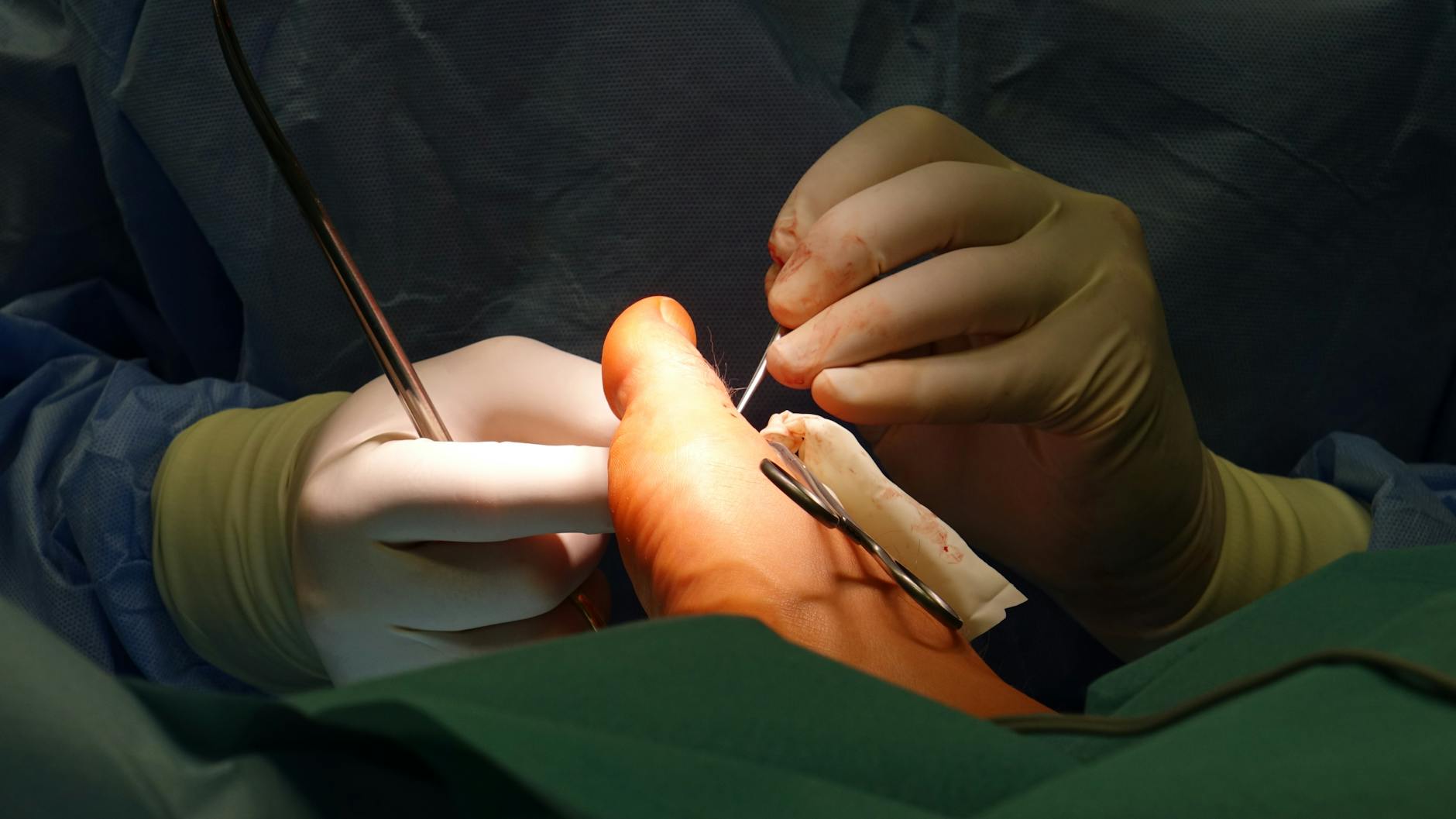
Regarding Ulnar collateral ligament (UCL) reconstruction, The surgery typically lasts 60-90 minutes and is performed under general anesthesia. Surgeons make an incision on the inside of the elbow, remove the damaged ligament, and replace it with a tendon graft. This graft is usually taken from the patient’s forearm or hamstring. The new tendon is threaded through holes drilled in the humerus and ulna bones, then secured in place. This meticulous process ensures the new ligament can withstand the stresses of athletic activity.

Regarding Ulnar collateral ligament (UCL) reconstruction,  

How Much Does Ulnar Collateral Ligament (UCL) Reconstruction Cost?

Regarding Ulnar collateral ligament (UCL) reconstruction, The cost of UCL reconstruction can vary significantly depending on the location and healthcare provider. In the United States, the procedure typically ranges from $15,000 to $50,000. This includes the surgeon’s fee, hospital charges, anesthesia, and post-operative care. However, opting for medical tourism can offer substantial savings. For instance, in countries like Mexico or India, the same procedure might cost between $5,000 and $10,000, offering savings of up to 70%.

What Is Included in the Cost?

When considering UCL reconstruction abroad, it’s essential to understand what’s included in the package. Most international clinics offer comprehensive packages that cover the surgery, hospital stay, anesthesia, medications, and follow-up care. Some packages also include hotel accommodations and transportation, making the process seamless for international patients.

Are There Financing Options Available?

Many clinics offer financing options to make the procedure more accessible. These can include payment plans or partnerships with medical financing companies. It’s advisable to discuss these options with the clinic beforehand to ensure you can manage the costs effectively.


What Is the Recovery Process Like?

Recovery from UCL reconstruction is a gradual process that requires patience and dedication. Initially, the arm is immobilized in a splint for about a week. After this period, physical therapy begins to restore range of motion and strength. Full recovery can take 12 to 18 months, with athletes often returning to their sport around the one-year mark. The success rate of the surgery is high, with many athletes regaining their previous level of performance.

What Are the Stages of Recovery?

Recovery is typically divided into several stages:

  • Week 1-2: Immobilization and pain management.
  • Week 3-6: Gradual increase in range of motion exercises.
  • Month 2-4: Strengthening exercises begin.
  • Month 5-9: Advanced strengthening and sport-specific drills.
  • Month 10-12: Return to sport activities under supervision.

What Are the Risks and Complications?

As with any surgery, UCL reconstruction carries some risks. These can include infection, nerve damage, or issues with the graft. However, these complications are rare, and the procedure is generally considered safe. It’s crucial to follow your surgeon’s post-operative instructions to minimize risks and ensure a smooth recovery.


Is Ulnar Collateral Ligament (UCL) Reconstruction Right for You?

Deciding to undergo UCL reconstruction is a significant decision that should be made after consulting with a qualified orthopedic surgeon. They will assess the extent of the injury, your overall health, and your goals. If you’re an athlete looking to return to competitive sports, this surgery might be the best option to restore full function and performance.

What Should You Consider Before Surgery?

Before deciding on surgery, consider factors such as the surgeon’s experience, the facility’s accreditation, and the overall cost. It’s also important to have realistic expectations about the recovery timeline and the commitment required for rehabilitation.

How Can HealthHop Assist You?

HealthHop can connect you with top-rated clinics and experienced surgeons worldwide. We ensure that all facilities in our network are accredited and meet international standards, providing you with peace of mind as you embark on your medical journey.


Frequently Asked Questions

How long does UCL reconstruction surgery take?

The surgery typically lasts between 60 and 90 minutes.

What is the success rate of UCL reconstruction?

The success rate is high, with many athletes returning to their previous level of performance.

Can UCL reconstruction be done abroad?

Yes, many countries offer this procedure at a lower cost with high-quality care.

What is the recovery time for UCL reconstruction?

Recovery can take 12 to 18 months, with athletes often returning to sports around the one-year mark.

Are there risks associated with UCL reconstruction?

Risks include infection and nerve damage, but these are rare.

What is included in the cost of UCL reconstruction abroad?

Packages often include surgery, hospital stay, medications, and follow-up care.

Contact HealthHop for assistance in booking your medical procedure overseas and start your journey to affordable, world-class healthcare today!

Comments

what to read next

Methacholine challenge testing (Pulmonology (Respiratory Medicine)) - Professional photo for Methacholine challenge testing

Methacholine challenge testing

is a crucial diagnostic tool for assessing asthma and other respiratory conditions. This test helps doctors determine how sensitive your airways are to various stimuli. If you’re experiencing unexplained breathing difficulties, this test might be the key to understanding your condition. Let’s explore what methacholine challenge testing involves, why it’s

Read More »
Phototherapy (UVB/PUVA) (Dermatology) - Professional photo for Phototherapy

Phototherapy

a treatment that uses specific wavelengths of light to treat various medical conditions, has gained popularity for its effectiveness and non-invasive nature. Whether you’re dealing with skin disorders, mood disorders, or neonatal jaundice, phototherapy offers a promising solution. In this article, we’ll explore the ins and outs of phototherapy, its

Read More »
Biologic/DMARD infusion therapy (Rheumatology) - Professional photo for Biologic/DMARD infusion therapy

Biologic/DMARD infusion therapy

is a groundbreaking treatment option for individuals suffering from autoimmune diseases like rheumatoid arthritis, psoriasis, and Crohn’s disease. This therapy involves administering biologic drugs directly into the bloodstream, offering targeted relief and improved quality of life. But what exactly does this process entail, and how can it benefit you? Let’s

Read More »
Laparoscopic cholecystectomy (General Surgery) - Professional photo for Laparoscopic cholecystectomy

Laparoscopic cholecystectomy

is a minimally invasive surgical procedure used to remove the gallbladder. This technique has become the standard treatment for gallbladder removal due to its reduced recovery time and lower risk of complications compared to open surgery. If you’re considering this procedure, understanding the process, benefits, and potential risks is crucial.

Read More »
Ulnar collateral ligament (UCL) reconstruction (Hand Surgery) - Professional photo for Ulnar collateral ligament (UCL) reconstruction

Ulnar collateral ligament (UCL) reconstruction

often referred to as Tommy John surgery, is a procedure that has gained significant attention, especially among athletes. This surgery is primarily performed to repair a torn UCL in the elbow, a common injury among baseball pitchers and other athletes who engage in repetitive throwing motions. Understanding the intricacies of

Read More »
Endoscopic hemostasis for GI bleeding (Gastroenterology) - Professional photo for Endoscopic hemostasis for GI bleeding

Endoscopic hemostasis for GI bleeding

is a critical procedure used to control bleeding within the gastrointestinal tract. This technique is essential for patients experiencing acute or chronic GI bleeding, offering a minimally invasive solution with high success rates. Understanding the process, benefits, and considerations of endoscopic hemostasis can help patients make informed decisions about their

Read More »

more articles

Methacholine challenge testing (Pulmonology (Respiratory Medicine)) - Professional photo for Methacholine challenge testing

Methacholine challenge testing

is a crucial diagnostic tool for assessing asthma and other respiratory conditions. This test helps doctors determine how sensitive your airways are to various stimuli. If you’re experiencing unexplained breathing difficulties, this test might be the key to understanding your condition. Let’s explore what methacholine challenge testing involves, why it’s important, and how it can benefit you. Quick Answer: Methacholine challenge testing helps diagnose asthma by measuring airway sensitivity. The test involves inhaling methacholine, which can cause airway narrowing. It’s safe, with minimal side effects, and provides quick results. Typically costs $200-$500, depending on location and insurance. Performed in a controlled environment by trained professionals.       What Is Methacholine Challenge Testing? is a procedure used to diagnose asthma by evaluating how your airways respond to methacholine, a substance that can cause airway constriction. During the test, you inhale increasing concentrations of methacholine, and your lung function is measured using spirometry. If your airways are sensitive, they will constrict, indicating a positive test result. Why Is Methacholine Challenge Testing Important? This test is essential for diagnosing asthma, especially in cases where symptoms are unclear or overlap with other conditions. It provides a clear picture of airway responsiveness, helping doctors tailor treatment plans effectively. For instance, if you have persistent cough or wheezing, methacholine challenge testing can confirm whether asthma is the underlying cause.   How Is Methacholine Challenge Testing Performed? The test is conducted in a controlled clinical setting. Initially, a baseline spirometry test is performed to measure your normal lung function. You then inhale methacholine through a nebulizer, starting with a low dose. After each dose, spirometry is repeated to assess any changes in lung function. The process continues with increasing doses until a significant change is observed or the maximum dose is reached. What to Expect During the Test You’ll be seated comfortably, and a technician will guide you through each step. The entire procedure typically takes about 60 to 90 minutes. It’s important to follow instructions carefully and report any discomfort immediately. Most patients experience only mild symptoms, such as a slight cough or chest tightness, which resolve quickly.   Who Should Consider Methacholine Challenge Testing? is recommended for individuals with unexplained respiratory symptoms, such as chronic cough, wheezing, or shortness of breath. It’s particularly useful for those with normal spirometry results but persistent symptoms. Additionally, athletes experiencing exercise-induced bronchospasm may benefit from this test to

Read Article »
Phototherapy (UVB/PUVA) (Dermatology) - Professional photo for Phototherapy

Phototherapy

a treatment that uses specific wavelengths of light to treat various medical conditions, has gained popularity for its effectiveness and non-invasive nature. Whether you’re dealing with skin disorders, mood disorders, or neonatal jaundice, phototherapy offers a promising solution. In this article, we’ll explore the ins and outs of phototherapy, its applications, benefits, and what you need to know before considering it as a treatment option. Quick Answer: Phototherapy uses light to treat conditions like psoriasis and eczema. It is effective for mood disorders such as SAD (Seasonal Affective Disorder). Neonatal jaundice is commonly treated with phototherapy. Sessions typically last 15-30 minutes, with multiple sessions needed. Consult a healthcare provider to determine if it’s right for you.       What Is Phototherapy and How Does It Work? involves the use of ultraviolet (UV) light to treat various medical conditions. It works by exposing the skin to UV light, which can reduce inflammation, slow down the growth of skin cells, and improve mood by affecting brain chemicals linked to mood regulation. This treatment is particularly effective for skin conditions like psoriasis and eczema, as well as mood disorders such as Seasonal Affective Disorder (SAD). Understanding the Process During a it session, patients are exposed to a light source that emits UV rays. The duration and frequency of these sessions depend on the condition being treated. For instance, psoriasis patients might undergo treatment three times a week, while those with SAD might use a light box daily during the winter months. The light exposure helps to reduce symptoms by altering the biological processes in the body. Types of Phototherapy There are several types of this, each suited for different conditions: UVB Phototherapy: Used for skin conditions, it involves exposure to UVB light, which is effective in reducing skin cell growth. PUVA Therapy: Combines UVA light with a drug called psoralen to treat severe skin conditions. Light Box Therapy: Commonly used for SAD, it involves sitting near a light box that mimics natural sunlight.   Why Is Phototherapy Used for Skin Conditions? is a preferred treatment for skin conditions due to its ability to target specific areas without affecting the entire body. It is particularly effective for psoriasis, eczema, and vitiligo. By slowing down the rapid growth of skin cells, this can significantly reduce symptoms and improve skin appearance. Psoriasis Treatment Psoriasis is a chronic skin condition characterized by red, scaly patches. it

Read Article »
Biologic/DMARD infusion therapy (Rheumatology) - Professional photo for Biologic/DMARD infusion therapy

Biologic/DMARD infusion therapy

is a groundbreaking treatment option for individuals suffering from autoimmune diseases like rheumatoid arthritis, psoriasis, and Crohn’s disease. This therapy involves administering biologic drugs directly into the bloodstream, offering targeted relief and improved quality of life. But what exactly does this process entail, and how can it benefit you? Let’s explore the ins and outs of biologic/DMARD infusion therapy, its costs, and what you can expect from this innovative treatment. Quick Answer: Biologic/DMARD infusion therapy targets autoimmune diseases with precision. Costs range from $1,500 to $3,000 per infusion in the US. Overseas options can save you 40-60% on treatment costs. Therapy involves regular infusions, often every 4-8 weeks. HealthHop connects you with top clinics for safe, affordable care.       What Is Biologic/DMARD Infusion Therapy? involves the use of biologic drugs, which are derived from living organisms, to treat autoimmune conditions. These drugs are administered intravenously, allowing them to work directly in the bloodstream. This method is particularly effective for conditions like rheumatoid arthritis, where traditional medications may not suffice. The therapy is designed to target specific components of the immune system, reducing inflammation and halting disease progression. For instance, in rheumatoid arthritis, biologic drugs can block tumor necrosis factor (TNF), a substance in the body that causes inflammation. By doing so, patients often experience reduced joint pain and swelling. The precision of biologic/DMARD infusion therapy makes it a preferred choice for many patients seeking long-term relief. How Does the Infusion Process Work? The infusion process typically takes place in a clinical setting, where a healthcare professional administers the drug through an IV. Each session can last anywhere from 30 minutes to several hours, depending on the specific medication and dosage. Patients usually receive infusions every 4 to 8 weeks, although this can vary based on individual needs and the specific condition being treated. Before starting biologic/DMARD infusion therapy, patients undergo a thorough evaluation to determine the most suitable drug and dosage. This personalized approach ensures that the treatment is both safe and effective. Regular monitoring is also essential to track progress and adjust the treatment plan as needed.   How Much Does Biologic/DMARD Infusion Therapy Cost? In the United States, the cost of biologic/DMARD infusion therapy can range from $1,500 to $3,000 per session. This price often includes the medication, administration, and necessary follow-up appointments. However, these costs can quickly add up, especially for patients requiring frequent infusions.

Read Article »
Laparoscopic cholecystectomy (General Surgery) - Professional photo for Laparoscopic cholecystectomy

Laparoscopic cholecystectomy

is a minimally invasive surgical procedure used to remove the gallbladder. This technique has become the standard treatment for gallbladder removal due to its reduced recovery time and lower risk of complications compared to open surgery. If you’re considering this procedure, understanding the process, benefits, and potential risks is crucial. Let’s explore everything you need to know about laparoscopic cholecystectomy, from the procedure itself to recovery and cost considerations. Quick Answer: Laparoscopic cholecystectomy is a minimally invasive surgery to remove the gallbladder. It typically costs $5,000-$10,000 in the US, but $2,000-$4,000 abroad. Recovery time is usually 1-2 weeks, with most patients returning to normal activities quickly.       What Is Laparoscopic Cholecystectomy? Watch: Must Know Gallbladder And Biliary Tree Anatomy! involves the removal of the gallbladder using small incisions and a camera. This procedure is performed under general anesthesia and typically takes about 1-2 hours. Surgeons make several small incisions in the abdomen, insert a laparoscope, and use specialized instruments to remove the gallbladder. This method is preferred due to its minimally invasive nature, which results in less pain and quicker recovery. Why Is It Performed? The primary reason for a laparoscopic cholecystectomy is to treat gallstones and the complications they cause. Gallstones can lead to severe pain, infection, and even pancreatitis. By removing the gallbladder, these issues are resolved, providing relief and preventing future problems. Procedure Steps The procedure begins with the patient under general anesthesia. Surgeons make small incisions in the abdomen and insert a laparoscope, which provides a live video feed. Using this, they carefully remove the gallbladder. The incisions are then closed with sutures or surgical tape. Most patients can go home the same day.   How Much Does Laparoscopic Cholecystectomy Cost? The cost of laparoscopic cholecystectomy varies significantly depending on the location. In the United States, the procedure can range from $5,000 to $10,000. However, opting for medical tourism can reduce these costs dramatically. For instance, in countries like India or Mexico, the same procedure might cost between $2,000 and $4,000, offering savings of up to 60%. Location Cost Included Savings United States $5,000-$10,000 Procedure only – India $2,000-$3,500 All-inclusive package 60-70% Mexico $2,500-$4,000 All-inclusive package 50-60% What’s Included in the Cost? When considering overseas options, it’s important to understand what’s included in the price. Typically, packages cover the procedure, hospital stay, anesthesia, medications, and sometimes even hotel accommodations and airport transfers. This comprehensive

Read Article »