EUR
EUR  JPY
JPY  SGD
SGD  AED
AED  GBP
GBP  CNY
CNY  CAD
CAD  HKD
HKD  AUD
AUD  CHF
CHF  SEK
SEK  PLN
PLN  NOK
NOK  DKK
DKK  NZD
NZD  ZAR
ZAR  MXN
MXN  THB
THB  HUF
HUF  MYR
MYR 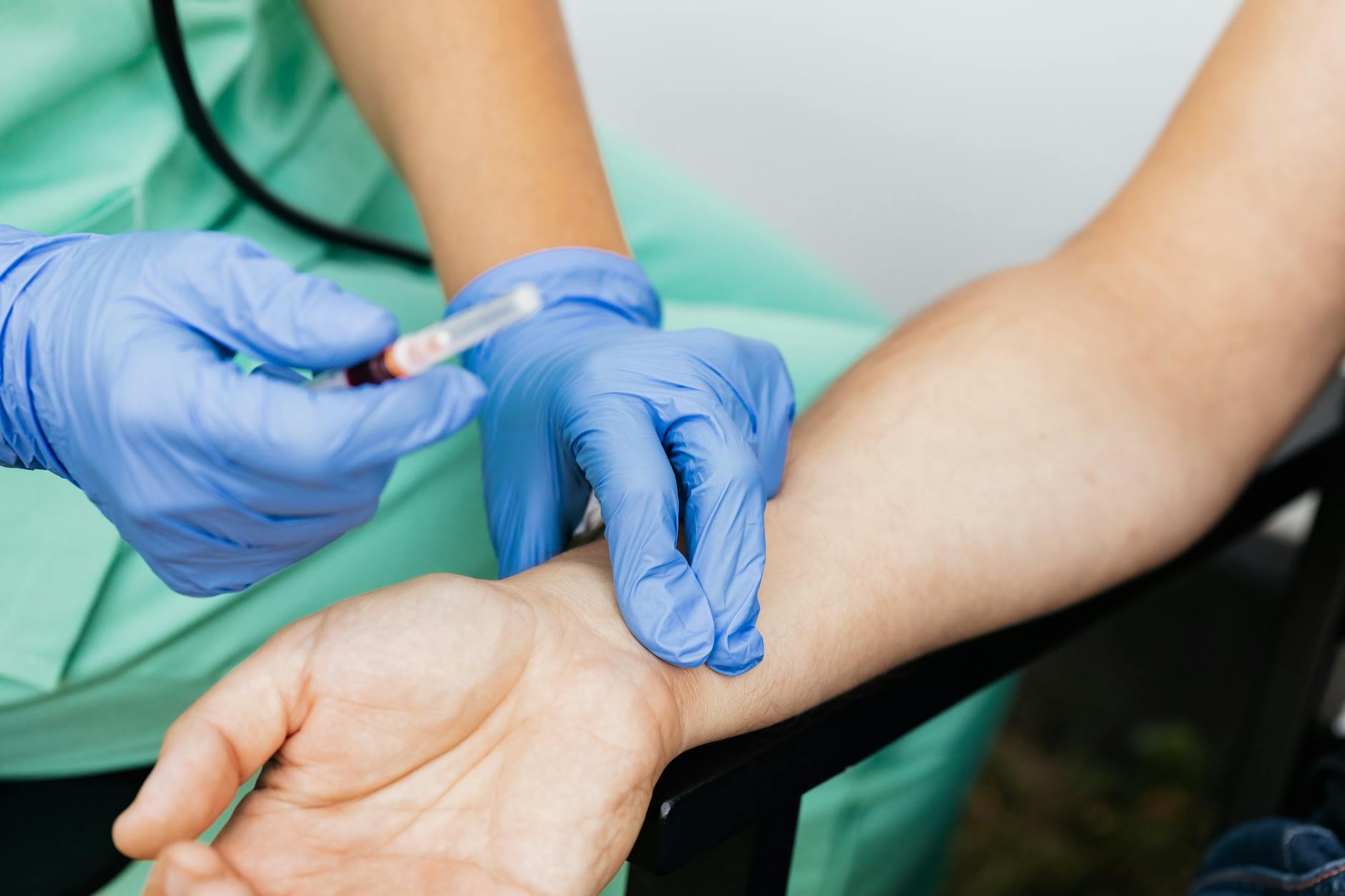
Therapeutic Phlebotomy (Hemochromatosis/Polycythemia) (Hematology): A Comprehensive Guide
Therapeutic phlebotomy (hemochromatosis/polycythemia) (Hematology) is a crucial procedure for managing conditions like hemochromatosis and polycythemia. These disorders involve abnormal levels of iron or red blood cells, leading to serious health issues if untreated. By removing blood, therapeutic phlebotomy helps maintain balance, offering relief and preventing complications. Let’s explore how this procedure works, its benefits, and what you need to know if you’re considering it.
Quick Answer:
- Therapeutic phlebotomy helps manage iron overload and high red blood cell counts.
- It is essential for conditions like hemochromatosis and polycythemia.
- The procedure involves removing a specific amount of blood to reduce iron or cell levels.
What Is Therapeutic Phlebotomy (Hemochromatosis/Polycythemia) (Hematology)?
Regarding Therapeutic phlebotomy (hemochromatosis/polycythemia) (Hematology), Therapeutic phlebotomy is a medical procedure used to treat conditions like hemochromatosis and polycythemia. It involves the removal of blood to decrease iron levels or reduce the number of red blood cells. This process is similar to donating blood but is specifically aimed at treating these disorders.
Understanding Hemochromatosis
Regarding Therapeutic phlebotomy (hemochromatosis/polycythemia) (Hematology), Hemochromatosis is a genetic condition where the body absorbs too much iron from food. This excess iron is stored in organs, particularly the liver, heart, and pancreas, leading to potential damage. Symptoms can include fatigue, joint pain, and skin discoloration. If left untreated, it can cause severe complications like liver disease and diabetes.
Exploring Polycythemia
Regarding Therapeutic phlebotomy (hemochromatosis/polycythemia) (Hematology), Polycythemia is characterized by an increased number of red blood cells, which thickens the blood and slows its flow. This can lead to complications such as blood clots, strokes, and heart attacks. Symptoms often include headaches, dizziness, and a ruddy complexion.
How Does Therapeutic Phlebotomy Work?
Regarding Therapeutic phlebotomy (hemochromatosis/polycythemia) (Hematology), Therapeutic phlebotomy involves drawing a specific amount of blood from the patient. This process helps reduce iron levels in hemochromatosis or decrease red blood cell counts in polycythemia. The procedure is typically performed in a clinical setting and is similar to a standard blood donation.
Procedure Steps
Regarding Therapeutic phlebotomy (hemochromatosis/polycythemia) (Hematology), The process usually takes about 30 to 60 minutes. Here’s a step-by-step breakdown:
- A healthcare professional will assess your condition and determine the amount of blood to be removed.
- A needle is inserted into a vein, usually in the arm, to draw blood.
- The blood is collected in a sterile bag or container.
- After the procedure, you’ll be monitored for a short period to ensure there are no adverse reactions.
Frequency and Duration
Regarding Therapeutic phlebotomy (hemochromatosis/polycythemia) (Hematology), The frequency of therapeutic phlebotomy sessions depends on the severity of the condition. For hemochromatosis, it might be weekly until iron levels normalize, then less frequently for maintenance. In polycythemia, the schedule varies based on red blood cell counts and symptoms.
Benefits of Therapeutic Phlebotomy
Therapeutic phlebotomy offers several benefits for patients with hemochromatosis and polycythemia. By reducing iron levels or red blood cell counts, it helps prevent complications and improves quality of life.
Preventing Organ Damage
In hemochromatosis, reducing iron levels prevents damage to vital organs like the liver and heart. This can significantly decrease the risk of liver disease, heart problems, and diabetes.
Reducing Blood Clot Risks
For polycythemia patients, lowering red blood cell counts reduces blood viscosity, decreasing the risk of clots, strokes, and heart attacks. This can lead to improved circulation and overall cardiovascular health.
Are There Risks Involved?
While therapeutic phlebotomy is generally safe, there are some risks and side effects to consider. These are usually minor and manageable with proper care.
Common Side Effects
Some patients may experience dizziness, lightheadedness, or fatigue after the procedure. These symptoms are typically short-lived and can be alleviated by resting and staying hydrated.
Rare Complications
In rare cases, patients might experience more severe reactions like fainting or infection at the needle site. It’s important to follow post-procedure instructions and report any unusual symptoms to your healthcare provider.
How to Prepare for Therapeutic Phlebotomy
Preparation is key to ensuring a smooth therapeutic phlebotomy experience. Here are some tips to help you get ready for the procedure.
Before the Procedure
Ensure you’re well-hydrated and have eaten a light meal. Avoid alcohol and caffeine, as they can affect hydration levels. Wear comfortable clothing with sleeves that can be easily rolled up.
During the Procedure
Relax and communicate with the healthcare professional if you feel any discomfort. It’s important to stay calm and follow their instructions throughout the process.
Frequently Asked Questions
How often do I need therapeutic phlebotomy?
The frequency depends on your condition. Hemochromatosis may require weekly sessions initially, while polycythemia varies based on symptoms.
Is therapeutic phlebotomy painful?
Most patients experience minimal discomfort, similar to a blood donation. Any pain is usually brief and manageable.
Can I drive home after the procedure?
It’s generally safe to drive, but if you feel dizzy or lightheaded, it’s best to have someone else drive you home.
What should I do if I feel unwell after phlebotomy?
Rest, hydrate, and monitor your symptoms. If you experience severe reactions, contact your healthcare provider immediately.
Are there alternatives to therapeutic phlebotomy?
For some patients, medication may be an option. However, phlebotomy is often the most effective treatment for these conditions.
Does insurance cover therapeutic phlebotomy?
Coverage varies by insurance provider. It’s best to check with your insurer to understand your specific benefits.
Contact HealthHop for assistance in booking your medical procedure overseas and start your journey to affordable, world-class healthcare today!