Smile Makeover Packages: What's Included & What's Not - Professional photo for Smile Makeover Packages: What's Included & What's Not -

Smile Makeover Packages: What’s Included & What Isn’t

Are you dreaming of a perfect smile? Smile makeover packages might be the solution you’ve been searching for. These packages offer a comprehensive approach to dental aesthetics, combining various procedures to enhance your smile. But what exactly do these packages include, and what might you need to budget for separately? Let’s explore the details to help you make an informed decision.

Quick Answer:

  • Smile makeover packages often include consultations, teeth whitening, and veneers.
  • Additional costs may involve orthodontics and gum reshaping.
  • Packages can save you 30-50% compared to individual procedures.

What Are Smile Makeover Packages?

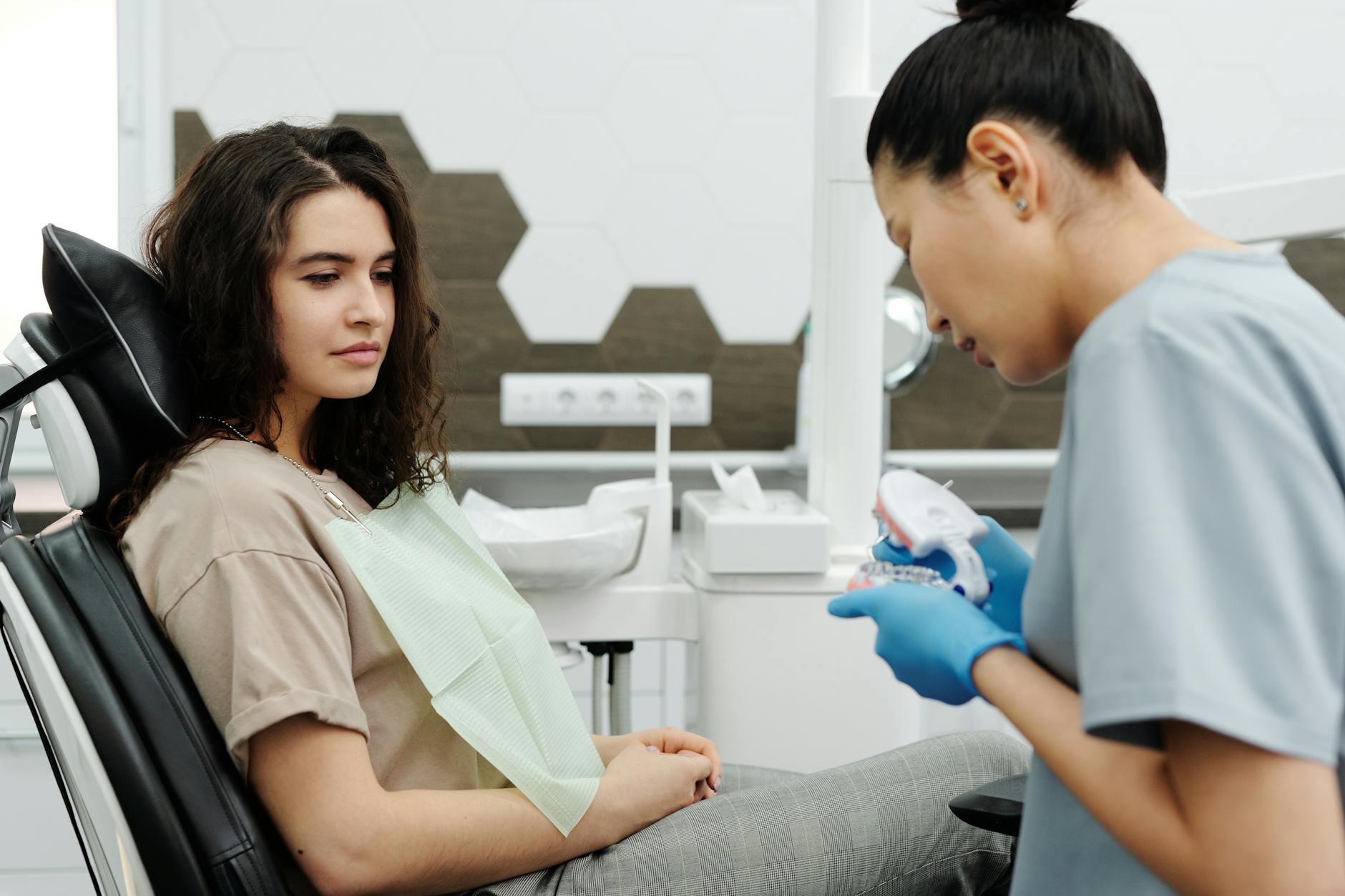
Regarding Smile Makeover Packages: What’s Included & What’s Not, Smile makeover packages are tailored dental plans designed to improve the appearance of your smile. They typically include a combination of procedures such as teeth whitening, veneers, and sometimes orthodontics. These packages are popular among those looking to achieve a significant transformation in a cost-effective manner.

Why Choose a Smile Makeover Package?

Regarding Smile Makeover Packages: What’s Included & What’s Not, Choosing a smile makeover package can be a smart decision if you’re looking to enhance your smile without breaking the bank. These packages often provide a comprehensive solution, addressing multiple dental issues at once. For instance, if you’re dealing with discoloration, misalignment, and chipped teeth, a smile makeover can tackle all these problems in one go.

What’s Included in Smile Makeover Packages?

When considering “Smile Makeover Packages: What’s Included & What’s Not,” it’s essential to understand the typical components. Most packages include:

  • Consultation: An initial assessment to determine your needs and goals.
  • Teeth Whitening: A procedure to brighten your smile, often included in the package.
  • Veneers: Thin shells placed over the teeth to improve appearance.

Additional Inclusions

Regarding Smile Makeover Packages: What’s Included & What’s Not, Some packages may also offer:

  • Orthodontics: Braces or aligners to correct alignment issues.
  • Gum Reshaping: A procedure to improve the gum line.

Regarding Smile Makeover Packages: What’s Included & What’s Not, These additional services can enhance the overall outcome, providing a more comprehensive transformation.

What’s Not Included in Smile Makeover Packages?

Regarding Smile Makeover Packages, While smile makeover packages are comprehensive, there are often elements not included. Understanding these can help you budget effectively.

Potential Exclusions

Common exclusions might include:

  • Complex Orthodontics: Extensive treatments may require additional fees.
  • Specialized Treatments: Procedures like implants might not be part of the package.

It’s crucial to discuss these aspects with your provider to avoid unexpected costs.

How Much Do Smile Makeover Packages Cost?

The cost of smile makeover packages can vary widely based on the procedures included and the location. In the United States, these packages can range from $5,000 to $30,000. However, by opting for treatment abroad, you can save significantly.

Cost Comparison

For example, in countries like Turkey or Mexico, you might find packages ranging from $2,000 to $10,000. This represents a savings of 50-70% compared to U.S. prices. These packages often include accommodation and transportation, adding further value.

Are Smile Makeover Packages Worth It?

Investing in a smile makeover package can be a worthwhile decision if you’re looking for a comprehensive solution to dental aesthetics. The convenience of having multiple procedures bundled together, often at a reduced cost, makes these packages appealing.

Considerations

However, it’s essential to consider your specific needs and consult with a qualified dental professional. They can guide you in selecting the right package and ensure that the procedures align with your goals.

Frequently Asked Questions

What is included in a typical smile makeover package?

A typical package includes consultation, teeth whitening, and veneers. Some may also offer orthodontics and gum reshaping.

How much can I save with a smile makeover package abroad?

You can save 50-70% by choosing a package abroad, with prices ranging from $2,000 to $10,000.

Are there any hidden costs in smile makeover packages?

Some packages may exclude complex orthodontics or specialized treatments, so it’s wise to confirm all details with your provider.

Can I customize my smile makeover package?

Yes, many providers offer customizable packages to suit your specific needs and preferences.

How long does a smile makeover take?

The duration varies based on the procedures involved, but most makeovers can be completed in a few weeks to a few months.

Is a smile makeover painful?

Most procedures are minimally invasive, and any discomfort can be managed with local anesthesia and pain relief.

Contact HealthHop for assistance in booking your medical procedure overseas and start your journey to affordable, world-class healthcare today!
 

Comments

what to read next

Transportation Tips for Traveling to Medical Procedures - Professional photo for Transportation Tips for Traveling to Medical Procedures

Transportation Tips for Traveling to Medical Procedures

When planning a medical trip abroad, understanding the logistics of transportation is crucial. Whether you’re heading for a hair transplant in Turkey or dental work in Mexico, knowing the best transportation tips for traveling to medical procedures can make your journey smoother and stress-free. From booking flights to navigating local

Read More »
Continuous glucose monitor (CGM) initiation (Endocrinology) - Professional photo for Continuous glucose monitor (CGM) initiation

Continuous glucose monitor (CGM) initiation

is a crucial step for individuals managing diabetes. This technology offers real-time insights into glucose levels, helping patients make informed decisions about their health. Whether you’re newly diagnosed or looking to improve your diabetes management, understanding the initiation process can be a game-changer. In this guide, we’ll explore everything you

Read More »
How to Incorporate Social Proof & Trust Badges - Professional photo for How to Incorporate Social Proof & Trust Badges

How to Incorporate Social Proof & Trust Badges

In today’s digital age, knowing how to incorporate social proof & trust badges is crucial for businesses, especially in the medical tourism industry. These elements not only build credibility but also enhance patient trust, which is vital when choosing healthcare services abroad. By effectively using social proof and trust badges,

Read More »
Translators & Interpreters for Medical Patients Abroad - Professional photo for Translators & Interpreters for Medical Patients Abroad

Translators & Interpreters for Medical Patients Abroad

When seeking medical treatment overseas, effective communication is crucial. Translators & Interpreters for Medical Patients Abroad play a vital role in bridging language gaps, ensuring patients understand their medical procedures, and facilitating smooth interactions with healthcare providers. Whether you’re considering a hair transplant in Turkey or dental work in Mexico,

Read More »
Nailfold capillaroscopy (Rheumatology) - Professional photo for Nailfold capillaroscopy

Nailfold capillaroscopy

is a non-invasive diagnostic technique used to examine the small blood vessels in the nailfolds. This procedure is particularly valuable in diagnosing and monitoring autoimmune diseases like scleroderma and lupus. By providing a clear view of capillary abnormalities, nailfold capillaroscopy helps doctors assess the severity and progression of these conditions.

Read More »
Intrathecal chemotherapy (with LP) (Hematology) - Professional photo for Intrathecal chemotherapy

Intrathecal chemotherapy

is a specialized treatment method used to deliver cancer-fighting drugs directly into the cerebrospinal fluid. This approach is particularly effective for cancers that affect the brain and spinal cord. By bypassing the blood-brain barrier, intrathecal chemotherapy ensures that the medication reaches the targeted area more efficiently. This method is crucial

Read More »

more articles

Transportation Tips for Traveling to Medical Procedures - Professional photo for Transportation Tips for Traveling to Medical Procedures

Transportation Tips for Traveling to Medical Procedures

When planning a medical trip abroad, understanding the logistics of transportation is crucial. Whether you’re heading for a hair transplant in Turkey or dental work in Mexico, knowing the best transportation tips for traveling to medical procedures can make your journey smoother and stress-free. From booking flights to navigating local transport, these tips will help you focus on your health and recovery rather than the hassles of travel. Quick Answer: Book flights early to secure the best deals and seat preferences. Research local transport options like taxis, Uber, or public transit. Consider travel insurance for unexpected delays or cancellations. Plan airport transfers in advance to avoid last-minute stress. Use HealthHop for seamless booking of medical procedures and accommodations. Regarding Transportation Tips for Traveling to Medical Procedures,   Regarding Transportation Tips for Traveling to Medical Procedures,   Regarding Transportation Tips for Traveling to Medical Procedures,   Why Is Planning Transportation Important for Medical Travel? Photo by Marina Chueshkova on Pexels Watch: Traveling for Surgery – Important Tips Regarding Transportation Tips for Traveling to Medical Procedures, Planning transportation is vital for medical travel because it ensures a smooth and stress-free experience. When you’re traveling for a medical procedure, the last thing you want is to worry about how to get from the airport to your clinic. Proper planning allows you to focus on your health and recovery. For instance, knowing the best routes and transport options can save you time and money, which is especially important when you’re in an unfamiliar country. Booking Flights: Timing and Tips Booking your flights early is one of the most effective transportation tips for traveling to medical procedures. Airlines often offer the best deals several months in advance. For example, booking three months ahead can save you up to 20% on airfare. Additionally, consider flying mid-week, as flights are generally cheaper on Tuesdays and Wednesdays. Use comparison websites to find the best deals and set up alerts for price drops. Choosing the Right Airport Regarding Transportation Tips for Traveling to Medical Procedures, When selecting an airport, consider proximity to your medical facility. Larger airports may offer more flight options, but smaller regional airports can be closer to your destination. For instance, if you’re traveling to Istanbul for a procedure, both Istanbul Airport and Sabiha Gökçen Airport are viable options, but the latter might be closer to certain clinics. Regarding Transportation Tips for Traveling to Medical Procedures,

Read Article »
Continuous glucose monitor (CGM) initiation (Endocrinology) - Professional photo for Continuous glucose monitor (CGM) initiation

Continuous glucose monitor (CGM) initiation

is a crucial step for individuals managing diabetes. This technology offers real-time insights into glucose levels, helping patients make informed decisions about their health. Whether you’re newly diagnosed or looking to improve your diabetes management, understanding the initiation process can be a game-changer. In this guide, we’ll explore everything you need to know about starting with a CGM, from the benefits to the step-by-step process. Quick Answer: CGM initiation provides real-time glucose monitoring, enhancing diabetes management. Costs range from $1,000 to $3,000 annually, often covered by insurance. Initiation involves device selection, training, and regular follow-ups. Regarding Continuous glucose monitor (CGM) initiation,   Regarding Continuous glucose monitor (CGM) initiation,   Regarding Continuous glucose monitor (CGM) initiation,   What Is Continuous Glucose Monitor (CGM) Initiation? Regarding Continuous glucose monitor (CGM) initiation, involves setting up and starting the use of a CGM device. These devices track glucose levels continuously, providing data every few minutes. This initiation process includes selecting the right device, understanding how to use it, and integrating it into daily life. CGMs are particularly beneficial for those with type 1 or type 2 diabetes, offering a more dynamic view of glucose levels compared to traditional finger-prick tests. Why Choose a CGM? Regarding Continuous glucose monitor (CGM) initiation, Choosing a CGM can significantly improve diabetes management. Unlike traditional methods, CGMs provide continuous data, allowing for better tracking of glucose trends. This can lead to improved HbA1c levels and reduced risk of hypoglycemia. For instance, studies show that CGM users experience a 1% reduction in HbA1c levels on average. Additionally, CGMs alert users to high or low glucose levels, enabling timely interventions. Types of CGM Devices Regarding Continuous glucose monitor (CGM) initiation, There are several CGM devices available, each with unique features. Popular options include the Dexcom G6, Freestyle Libre, and Medtronic Guardian Connect. Each device varies in terms of sensor lifespan, calibration requirements, and data sharing capabilities. For example, the Dexcom G6 offers a 10-day sensor life and no calibration, while the Freestyle Libre provides a 14-day sensor life but requires scanning to obtain data. Regarding Continuous glucose monitor (CGM) initiation,   How Does Continuous Glucose Monitor (CGM) Initiation Work? The initiation process for a continuous glucose monitor (CGM) involves several key steps. First, you’ll need to consult with your healthcare provider to determine the most suitable device. Once selected, the device is typically ordered through a pharmacy or directly from the

Read Article »
How to Incorporate Social Proof & Trust Badges - Professional photo for How to Incorporate Social Proof & Trust Badges

How to Incorporate Social Proof & Trust Badges

In today’s digital age, knowing how to incorporate social proof & trust badges is crucial for businesses, especially in the medical tourism industry. These elements not only build credibility but also enhance patient trust, which is vital when choosing healthcare services abroad. By effectively using social proof and trust badges, you can significantly boost your clinic’s reputation and attract more international patients. Let’s explore the strategies to implement these tools effectively. Quick Answer: Social proof includes reviews, testimonials, and case studies. Trust badges signify certifications and accreditations. Both elements enhance credibility and patient trust. Regarding How to Incorporate Social Proof & Trust Badges,   Regarding How to Incorporate Social Proof & Trust Badges,   Regarding How to Incorporate Social Proof & Trust Badges,   What Is Social Proof and Why Is It Important? Regarding How to Incorporate Social Proof & Trust Badges, Social proof refers to the influence that the actions and attitudes of others have on our own behavior. In the context of medical tourism, it includes patient reviews, testimonials, and case studies. These elements are crucial because they provide potential patients with real-world evidence of your clinic’s success and reliability. For instance, a clinic with numerous positive reviews and testimonials is more likely to attract new patients than one without. Types of Social Proof Regarding How to Incorporate Social Proof & Trust Badges, There are several types of social proof that can be utilized: Testimonials: Personal stories from past patients that highlight their positive experiences. Reviews: Ratings and comments on platforms like Google and Yelp. Case Studies: Detailed accounts of specific patient journeys and outcomes. Regarding How to Incorporate Social Proof & Trust Badges, Each type serves a unique purpose and can be strategically placed on your website to maximize impact. Regarding How to Incorporate Social Proof & Trust Badges,   on Your Website Regarding How to Incorporate Social Proof & Trust Badges, To effectively incorporate social proof & trust badges on your website, start by gathering authentic testimonials and reviews from past patients. Display these prominently on your homepage and service pages. Additionally, ensure that your trust badges, such as JCI accreditation or ISO certification, are visible. These badges act as a seal of approval, reassuring potential patients of your clinic’s credibility. Steps to Implement Collect Testimonials: Reach out to satisfied patients and request testimonials. Display Reviews: Integrate a review widget on your site to showcase real-time

Read Article »
Translators & Interpreters for Medical Patients Abroad - Professional photo for Translators & Interpreters for Medical Patients Abroad

Translators & Interpreters for Medical Patients Abroad

When seeking medical treatment overseas, effective communication is crucial. Translators & Interpreters for Medical Patients Abroad play a vital role in bridging language gaps, ensuring patients understand their medical procedures, and facilitating smooth interactions with healthcare providers. Whether you’re considering a hair transplant in Turkey or dental work in Mexico, having a skilled interpreter can make all the difference. Let’s explore how these professionals enhance your medical tourism experience. Quick Answer: Translators & Interpreters for Medical Patients Abroad ensure clear communication during medical procedures. They help patients understand medical terms and treatment plans. Professional interpreters reduce the risk of misunderstandings and errors. They provide peace of mind by facilitating smooth interactions with healthcare providers.       Why Are Translators & Interpreters Essential for Medical Patients Abroad? Watch: UCLA Interpreter Services | UCLA Health Translators and interpreters are essential for medical patients abroad because they ensure accurate communication between patients and healthcare providers. Misunderstandings in medical settings can lead to incorrect treatments or complications. For instance, a patient undergoing cosmetic surgery in Brazil might not fully grasp the procedure details without a translator. This could result in unmet expectations or even health risks. By providing clear translations, these professionals help patients make informed decisions about their healthcare. Reducing Miscommunication Risks Miscommunication in medical settings can have serious consequences. Imagine a scenario where a patient is allergic to a specific medication. Without proper translation, this critical information might be overlooked, leading to adverse reactions. Translators & Interpreters for Medical Patients Abroad ensure that all medical history and preferences are accurately conveyed, minimizing risks and enhancing patient safety. Facilitating Informed Decisions Understanding medical procedures and options is crucial for making informed decisions. Translators help patients comprehend complex medical jargon, enabling them to weigh the pros and cons of different treatments. For example, a patient considering bariatric surgery in India can better understand the procedure’s benefits and risks with the help of a skilled interpreter.   How Do Translators & Interpreters for Medical Patients Abroad Work? Translators and interpreters work by providing real-time language support during medical consultations and procedures. They are trained to handle medical terminology and ensure that both patients and doctors are on the same page. This service is particularly valuable in countries where English is not the primary language, such as South Korea or Thailand. On-Site vs. Remote Interpretation There are two main types of interpretation services: on-site and

Read Article »