EUR
EUR  JPY
JPY  SGD
SGD  AED
AED  GBP
GBP  CNY
CNY  CAD
CAD  HKD
HKD  AUD
AUD  CHF
CHF  SEK
SEK  PLN
PLN  NOK
NOK  DKK
DKK  NZD
NZD  ZAR
ZAR  MXN
MXN  THB
THB  HUF
HUF  MYR
MYR 
Pressure injury/wound debridement (Geriatrics) is a critical procedure for elderly patients suffering from chronic wounds. These injuries, often resulting from prolonged pressure on the skin, require meticulous care to prevent complications. Understanding the nuances of debridement can significantly improve outcomes for geriatric patients. In this article, we’ll explore the importance of debridement, the methods used, and how HealthHop can assist in accessing world-class care abroad.
Quick Answer:
- Pressure injury/wound debridement (Geriatrics) involves removing dead tissue to promote healing.
- Common methods include surgical, enzymatic, and autolytic debridement.
- Costs vary widely, with overseas options offering significant savings.
- HealthHop connects patients with top clinics for affordable, quality care.
## What Is Pressure Injury/Wound Debridement (Geriatrics)?
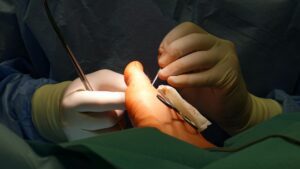
Pressure injury/wound debridement (Geriatrics) is the process of removing necrotic tissue from wounds in elderly patients. This procedure is essential for promoting healing and preventing infection. In geriatric patients, who often have compromised immune systems, timely debridement can be life-saving. The process involves various techniques, each suited to different wound types and patient needs.
### Why Is Debridement Necessary?
Debridement is crucial because it removes dead tissue that can harbor bacteria, leading to infections. In geriatric patients, the risk of infection is higher due to age-related immune decline. By clearing away necrotic tissue, debridement facilitates the growth of healthy tissue and accelerates healing. Moreover, it reduces the risk of complications such as sepsis, which can be particularly dangerous for older adults.
### Methods of Debridement
There are several methods of debridement, each with specific applications:
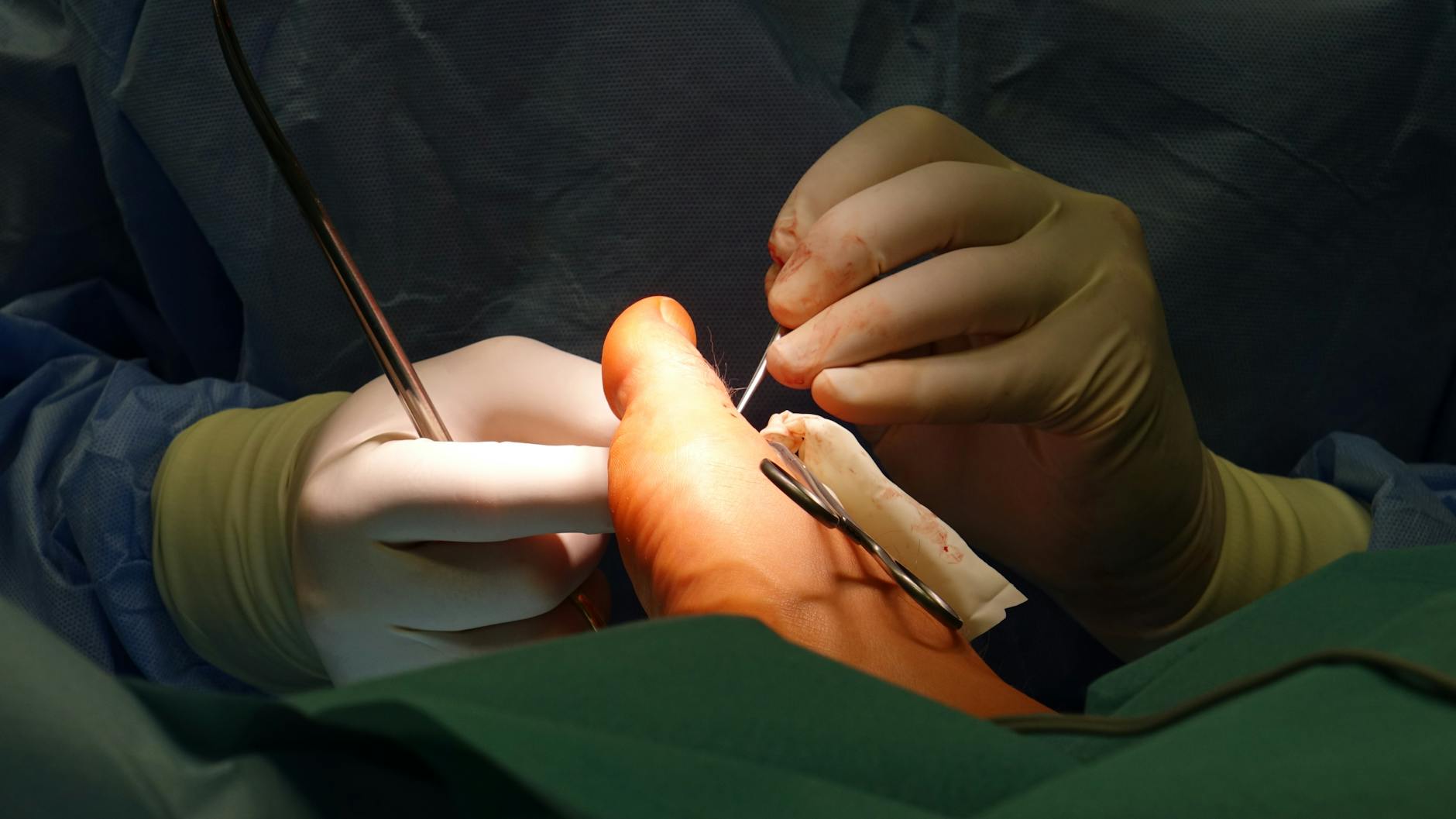
1. Surgical Debridement: This involves physically cutting away dead tissue. It’s often used for large or deep wounds and is performed by a surgeon under anesthesia.
2. Enzymatic Debridement: This method uses chemical agents to dissolve necrotic tissue. It’s less invasive and suitable for patients who cannot undergo surgery.
3. Autolytic Debridement: This technique uses the body’s own enzymes and moisture to break down dead tissue. It’s a slower process but is gentle and less painful.
### Real-World Example
Consider a 75-year-old patient with a pressure ulcer on the heel. Surgical debridement might be chosen if the wound is extensive, while enzymatic debridement could be used for smaller, less severe injuries. The choice depends on the patient’s overall health and the wound’s characteristics.
## How Much Does Pressure Injury/Wound Debridement (Geriatrics) Cost?
The cost of pressure injury/wound debridement (Geriatrics) can vary significantly depending on the location and method used. In the United States, surgical debridement can cost between $1,500 and $3,000 per session. In contrast, countries like India and Thailand offer the same procedure for $500 to $1,000, providing savings of up to 70%.
### Cost Breakdown
– Surgical Debridement: $1,500-$3,000 in the US; $500-$1,000 overseas
– Enzymatic Debridement: $200-$500 in the US; $100-$300 overseas
– Autolytic Debridement: $100-$300 in the US; $50-$150 overseas
### What’s Included?
These costs typically cover the procedure, hospital stay, and follow-up care. However, it’s essential to verify what’s included in the package when considering overseas options.
### Insurance Considerations
Insurance coverage for debridement varies. Some plans may cover part of the cost, especially if the procedure is deemed medically necessary. It’s crucial to check with your provider to understand your coverage.
## What Are the Risks and Benefits of Debridement?
Debridement, while beneficial, carries certain risks, especially for geriatric patients. Understanding these can help in making informed decisions.
### Benefits
– Promotes Healing: By removing dead tissue, debridement accelerates the healing process.
– Prevents Infection: Reducing the bacterial load in a wound decreases the risk of infection.
– Improves Outcomes: Patients often experience better recovery rates and reduced hospital stays.
### Risks
– Infection: Although debridement reduces infection risk, the procedure itself can introduce bacteria if not done under sterile conditions.
– Pain: Some methods, particularly surgical debridement, can be painful.
– Bleeding: There’s a risk of bleeding, especially in patients with clotting disorders.
### Mitigating Risks
Choosing a reputable clinic with experienced professionals can minimize these risks. HealthHop partners with accredited facilities to ensure patient safety.
## How to Choose the Right Clinic for Debridement?
Selecting the right clinic for pressure injury/wound debridement (Geriatrics) is crucial. Here are some factors to consider:
### Accreditation and Certification
Ensure the clinic is accredited by recognized bodies such as the Joint Commission International (JCI). This guarantees adherence to international healthcare standards.
### Experience and Expertise
Look for clinics with experienced staff specializing in geriatric care. Surgeons should be board-certified with a track record of successful debridement procedures.
### Patient Reviews
Reading reviews from previous patients can provide insights into the quality of care. Look for testimonials that mention successful outcomes and positive experiences.
### Cost and Package Inclusions
Compare costs and what’s included in the package. Some clinics offer all-inclusive packages covering the procedure, accommodation, and transportation.
## How Can HealthHop Assist You?
HealthHop simplifies the process of accessing affordable, high-quality medical care abroad. Here’s how we can help:
### Comprehensive Packages
We offer packages that include the procedure, hotel accommodations, and transportation. This ensures a seamless experience for patients.
### Top-Rated Clinics
HealthHop partners with only the best clinics, ensuring they meet international standards. Our network includes facilities with JCI accreditation and experienced medical professionals.
### 24/7 Support
Our team provides round-the-clock support, assisting with everything from booking to post-procedure care. We ensure you have a smooth and stress-free experience.
### Real-Life Success Story
Consider John, a 78-year-old from Florida, who needed debridement for a chronic wound. Through HealthHop, he accessed a top clinic in Thailand, saving 60% on costs while receiving excellent care. His recovery was swift, and he praised the professionalism of the staff.
## Frequently Asked Questions
Frequently Asked Questions
What is pressure injury/wound debridement (Geriatrics)?
It’s the removal of dead tissue from wounds in elderly patients to promote healing and prevent infection.
How much does debridement cost overseas?
Overseas costs range from $500 to $1,000 for surgical debridement, offering savings of up to 70% compared to the US.
What are the risks of debridement?
Risks include infection, pain, and bleeding, but these can be minimized by choosing a reputable clinic.
Why choose HealthHop for medical tourism?
HealthHop offers comprehensive packages, partners with top-rated clinics, and provides 24/7 support for a seamless experience.
What should I look for in a clinic?
Look for accreditation, experienced staff, positive patient reviews, and comprehensive package offerings.
Can debridement be painful?
Yes, some methods can be painful, but pain management strategies are available to minimize discomfort.
Contact HealthHop for assistance in booking your medical procedure overseas and start your journey to affordable, world-class healthcare today!