EUR
EUR  JPY
JPY  SGD
SGD  AED
AED  GBP
GBP  CNY
CNY  CAD
CAD  HKD
HKD  AUD
AUD  CHF
CHF  SEK
SEK  PLN
PLN  NOK
NOK  DKK
DKK  NZD
NZD  ZAR
ZAR  MXN
MXN  THB
THB  HUF
HUF  MYR
MYR 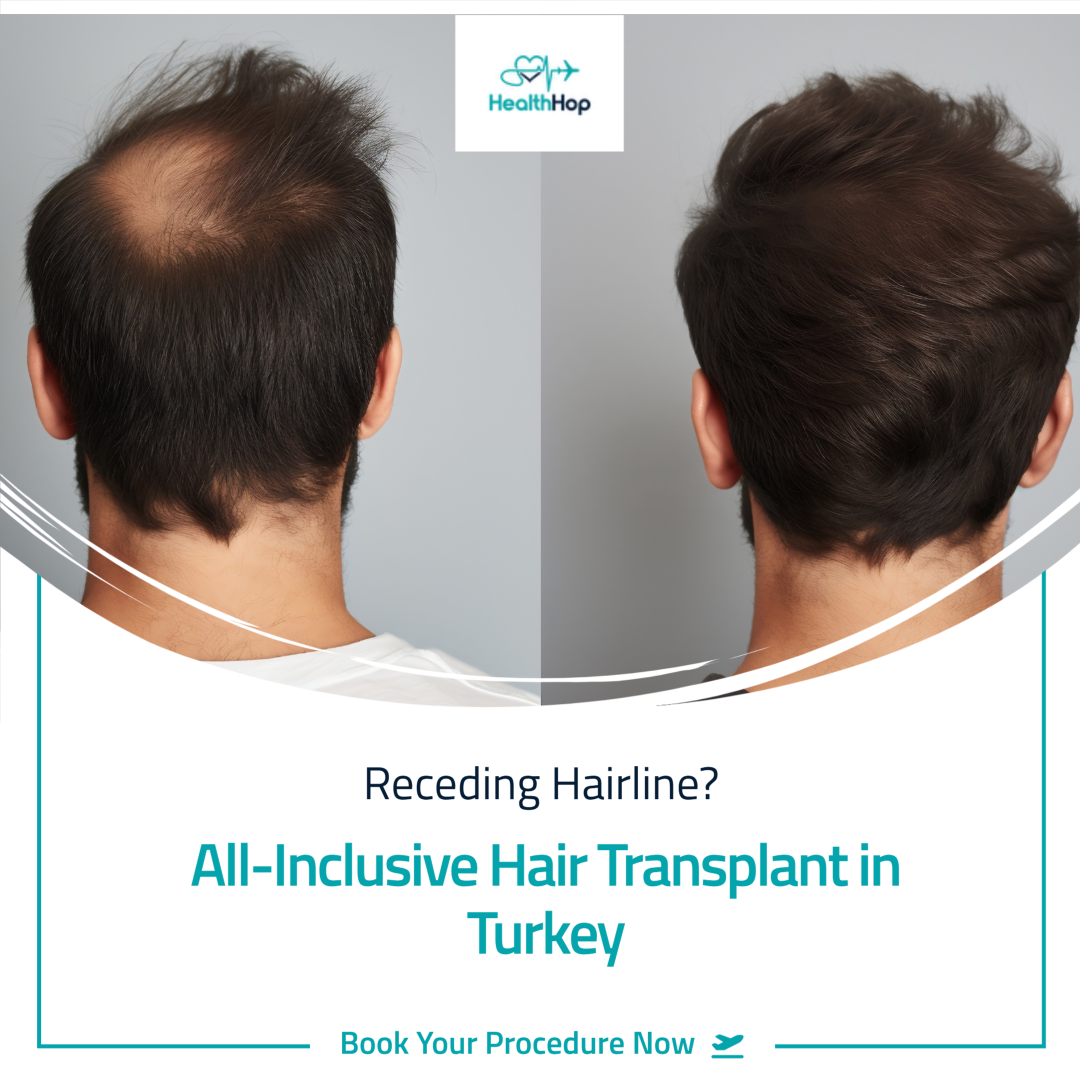
Thinking about it? You’re not alone. Many people consider this option to regain confidence and a fuller head of hair. Hair transplant procedures have become increasingly popular, offering a solution to hair loss that many find effective. But what exactly do these procedures involve, and are they right for you? Let’s explore the ins and outs of hair transplant procedures, so you can make an informed decision.
Understanding Hair Transplant Procedures
this are surgical techniques that move hair follicles from one part of the body, usually the back or sides of the head, to the balding or thinning areas. This process is known as grafting. But why do people choose this route? Simply put, it offers a permanent solution to hair loss, unlike temporary fixes like wigs or topical treatments.
Types of Hair Transplant Procedures
There are two main types of it: Follicular Unit Transplantation (FUT) and Follicular Unit Extraction (FUE). Each has its own set of advantages and considerations.
- Follicular Unit Transplantation (FUT): This method involves removing a strip of skin with hair follicles from the donor site. It’s often recommended for those needing a large number of grafts.
- Follicular Unit Extraction (FUE): FUE involves extracting individual hair follicles directly from the donor area. It’s less invasive and leaves minimal scarring.
Who Should Consider Hair Transplant Procedures?
Not everyone is a candidate for this. So, who should consider them? Generally, individuals with pattern baldness, thinning hair, or hair loss due to injury might benefit. However, it’s crucial to have realistic expectations and understand that results can vary.
Factors to Consider
Before diving into it, consider the following:
- Age: Younger individuals might not be ideal candidates, as hair loss patterns can change over time.
- Hair Type: The texture and color of your hair can affect the outcome.
- Health: Overall health plays a role in recovery and results.
The Procedure: What to Expect
Understanding the process can ease any anxiety you might have. This typically involves several steps, starting with a consultation. During this initial meeting, your surgeon will assess your hair loss and discuss your goals.
During the Surgery
The actual procedure can take several hours, depending on the number of grafts needed. You’ll be awake, but local anesthesia will numb the area. The surgeon will carefully place the grafts in a natural pattern, ensuring a realistic look.
Post-Procedure Care
After the surgery, you’ll receive instructions on how to care for your scalp. This might include avoiding strenuous activities and using prescribed medications to aid healing. It’s essential to follow these guidelines to ensure the best results.
Benefits and Risks of Hair Transplant Procedures
Like any medical procedure, it comes with benefits and potential risks. Understanding these can help you weigh your options.
Benefits
- Permanent Solution: Unlike temporary treatments, hair transplants offer a lasting solution.
- Natural Appearance: When done correctly, the results look natural and blend seamlessly with existing hair.
Risks
- Scarring: While FUE leaves minimal scarring, FUT might result in a linear scar.
- Infection: As with any surgery, there’s a risk of infection, though it’s rare with proper care.
Cost of Hair Transplant Procedures
Cost is a significant factor for many considering this. Prices can vary widely based on the technique used, the number of grafts, and the surgeon’s expertise. On average, you might expect to pay between $4,000 and $15,000. It’s a substantial investment, but many find the results worth the expense.
Insurance and Financing
Most insurance plans don’t cover it, as they’re considered cosmetic. However, some clinics offer financing options to make the process more affordable.
Finding the Right Surgeon
Choosing the right surgeon is crucial for a successful outcome. Look for a board-certified professional with extensive experience in this. Don’t hesitate to ask for before-and-after photos and patient testimonials.
Questions to Ask
When consulting with a potential surgeon, consider asking:
- What is your experience with hair transplant procedures?
- Can you provide references or testimonials?
- What results can I realistically expect?
Actionable Takeaways
This offers a promising solution for those struggling with hair loss. By understanding the types, benefits, and potential risks, you can make an informed decision. Remember to consult with a qualified surgeon, consider your personal needs, and weigh the costs. With the right approach, you can achieve the natural-looking results you desire. Contact us to book your hair transplant.