EUR
EUR  JPY
JPY  SGD
SGD  AED
AED  GBP
GBP  CNY
CNY  CAD
CAD  HKD
HKD  AUD
AUD  CHF
CHF  SEK
SEK  PLN
PLN  NOK
NOK  DKK
DKK  NZD
NZD  ZAR
ZAR  MXN
MXN  THB
THB  HUF
HUF  MYR
MYR 
Future of Medical Tourism: Emerging Technologies & Trends
The Future of Medical Tourism: Emerging Technologies & Trends is shaping up to be an exciting frontier in healthcare. As technology advances, the landscape of medical tourism is evolving rapidly. Patients are now able to access world-class medical care at a fraction of the cost, thanks to innovations in telemedicine, AI, and personalized medicine. This transformation is not just about cost savings; it’s about enhancing the quality and accessibility of healthcare globally. In this article, we’ll explore how these emerging technologies and trends are revolutionizing medical tourism, making it more efficient, safe, and patient-friendly.
Quick Answer:
- Telemedicine is enhancing pre- and post-operative care.
- AI is improving diagnostic accuracy and treatment plans.
- Personalized medicine is tailoring treatments to individual needs.
- Robotics are increasing precision in surgical procedures.
- Blockchain is ensuring secure patient data management.
How Is Telemedicine Transforming Medical Tourism?

Watch: Despite the pandemic and inflation, the medical tourism industry is booming. Here’s why.
Telemedicine is revolutionizing the Future of Medical Tourism: Emerging Technologies & Trends by providing remote consultations and follow-ups. Patients can now connect with specialists worldwide without leaving their homes. This technology is particularly beneficial for pre-operative assessments and post-operative care, ensuring continuity and quality of care.
For instance, a patient in the United States considering a hip replacement in India can have initial consultations via video calls. This not only saves time but also reduces travel costs. According to a study by the American Telemedicine Association, telemedicine can reduce healthcare costs by up to 30%. Moreover, it allows for real-time monitoring of recovery, which can significantly improve outcomes.
Real-World Example: Telemedicine in Action
Consider a patient named John who needed a knee replacement. Through telemedicine, he consulted with a top surgeon in Thailand. The surgeon reviewed his medical history, discussed the procedure, and even arranged for a virtual tour of the hospital. Post-surgery, John continued his follow-up appointments online, ensuring a smooth recovery process.
What Role Does AI Play in Medical Tourism?

AI is a game-changer in the Future of Medical Tourism: Emerging Technologies & Trends. It enhances diagnostic accuracy, predicts patient outcomes, and personalizes treatment plans. AI algorithms analyze vast amounts of data to provide insights that were previously unattainable.
For example, AI can assist in diagnosing complex conditions like cancer by analyzing medical images with higher precision than human radiologists. A study published in the Journal of the American Medical Association found that AI systems can detect breast cancer with 94.5% accuracy, compared to 88% by human experts. This level of precision is invaluable for patients seeking treatment abroad, as it ensures they receive the most accurate diagnosis and effective treatment plan.
AI in Action: Enhancing Patient Care
Imagine a patient named Sarah who is considering a cosmetic procedure in South Korea. AI tools analyze her medical history and genetic data to recommend the best surgical approach. This personalized plan not only improves her chances of a successful outcome but also minimizes risks.
How Is Personalized Medicine Shaping Medical Tourism?

Personalized medicine is at the forefront of the Future of Medical Tourism: Emerging Technologies & Trends. It involves tailoring medical treatments to individual genetic profiles, ensuring more effective and targeted therapies. This approach is particularly beneficial for patients with chronic conditions or those undergoing complex procedures.
For instance, in the field of oncology, personalized medicine allows for treatments that specifically target cancer cells based on a patient’s genetic makeup. This not only increases the efficacy of the treatment but also reduces side effects. According to the National Cancer Institute, personalized therapies can improve survival rates by up to 30%.
Case Study: Personalized Medicine in Practice
Consider a patient named Emily who traveled to Germany for cancer treatment. Her doctors used personalized medicine to develop a treatment plan based on her genetic profile. This approach not only improved her prognosis but also enhanced her quality of life during treatment.
>What Are the Benefits of Robotics in Medical Tourism?
Robotics is another key player in the Future of Medical Tourism: Emerging Technologies & Trends. Robotic-assisted surgeries offer unparalleled precision, reducing recovery times and improving surgical outcomes. These advancements are particularly appealing to medical tourists seeking high-quality care abroad.
Robotic systems like the da Vinci Surgical System allow surgeons to perform complex procedures with minimal invasiveness. This technology is widely used in urology, gynecology, and cardiac surgeries. A study by the Cleveland Clinic found that robotic surgeries reduce hospital stays by 20% and decrease complication rates by 30%.
Robotics in Action: A Patient’s Experience
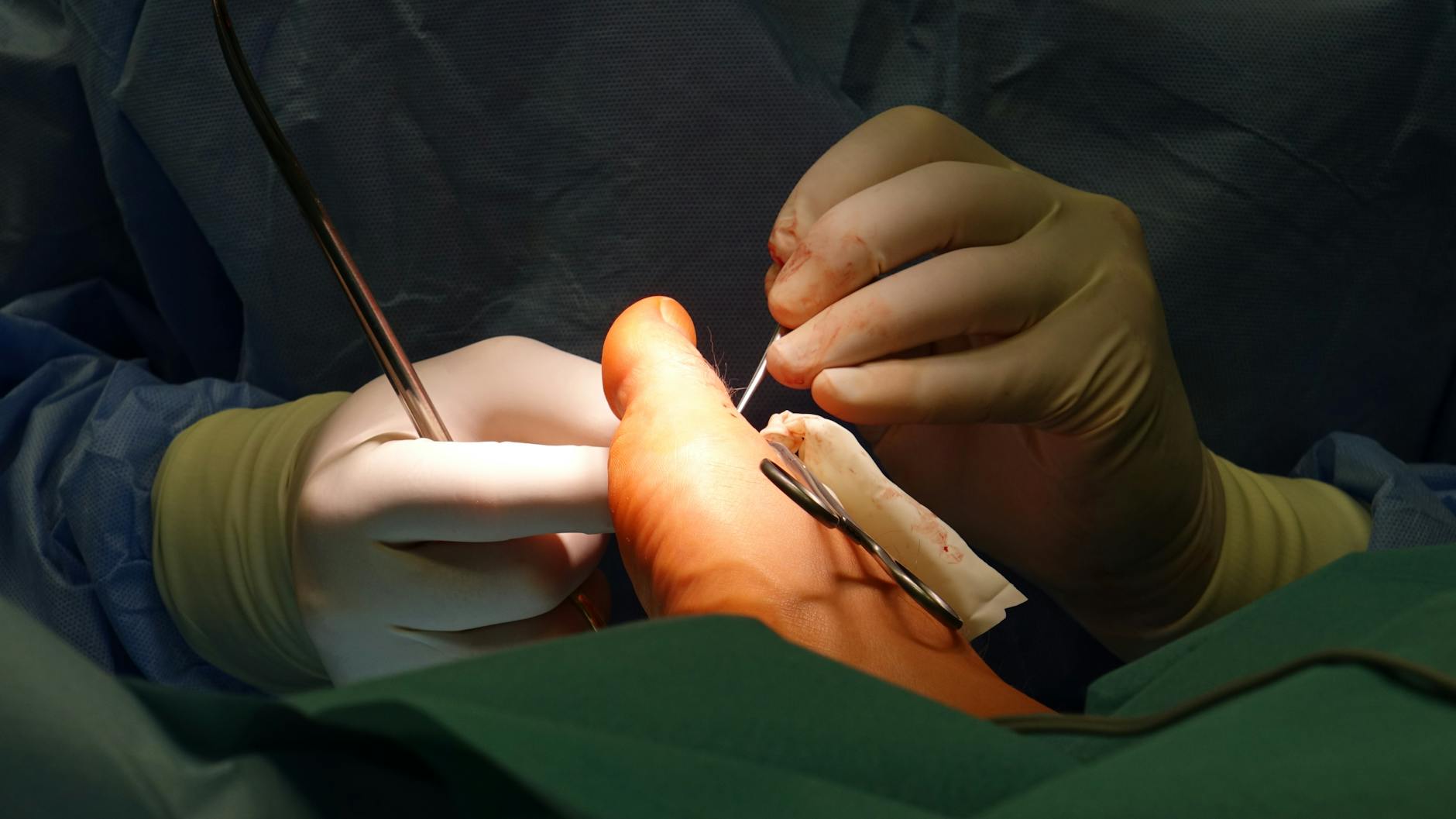
Take the example of Mark, who traveled to Singapore for prostate surgery. The use of robotic technology ensured a successful operation with minimal scarring and a quick recovery. Mark was back to his daily activities within weeks, highlighting the efficiency of robotic-assisted procedures.
>How Is Blockchain Enhancing Data Security in Medical Tourism?
Blockchain technology is crucial for the Future of Medical Tourism: Emerging Technologies & Trends, particularly in securing patient data. It provides a decentralized and tamper-proof system for managing medical records, ensuring privacy and security.
For medical tourists, blockchain offers peace of mind by safeguarding sensitive information. According to a report by Deloitte, blockchain can reduce data breaches by up to 50%. This is especially important for patients traveling abroad, as it ensures their medical history is protected and accessible only to authorized personnel.
Blockchain in Practice: Ensuring Data Security
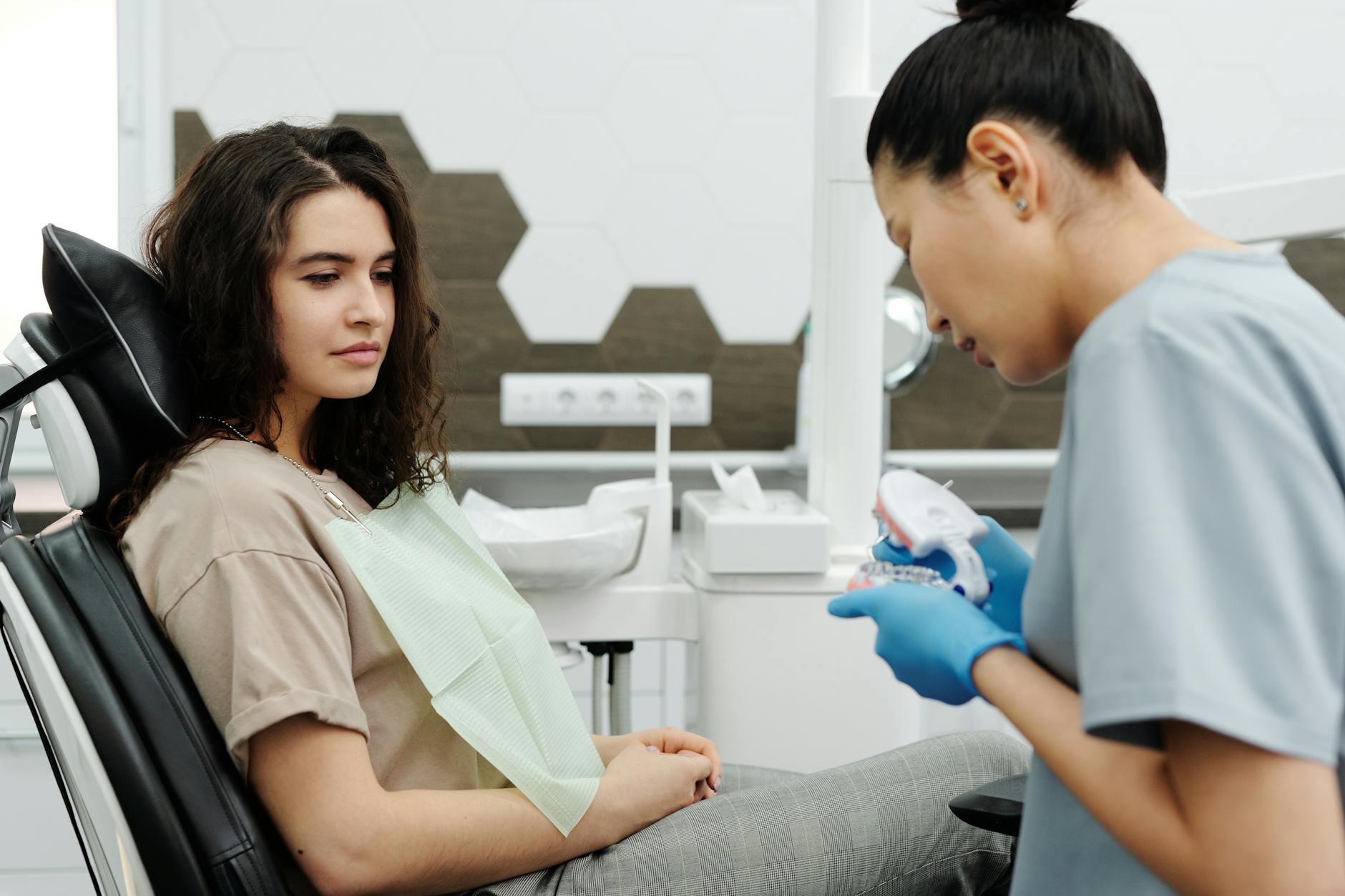
Imagine a patient named Lisa who is undergoing dental treatment in Mexico. Her medical records are stored on a blockchain platform, ensuring that only her dentist and authorized healthcare providers can access her information. This level of security is vital for maintaining trust and transparency in medical tourism.
>Frequently Asked Questions
What is the impact of telemedicine on medical tourism?
Telemedicine enhances medical tourism by providing remote consultations and follow-ups, reducing travel costs, and improving patient outcomes.
How does AI improve medical tourism?
AI improves diagnostic accuracy, personalizes treatment plans, and predicts patient outcomes, making medical tourism more effective and reliable.
What role does personalized medicine play in medical tourism?
Personalized medicine tailors treatments to individual genetic profiles, enhancing the effectiveness and safety of medical procedures abroad.
Why are robotics important in medical tourism?
Robotics offer precision in surgeries, reducing recovery times and improving outcomes, making them attractive for medical tourists.
How does blockchain enhance data security in medical tourism?
Blockchain provides a secure, decentralized system for managing medical records, ensuring privacy and data integrity for medical tourists.
What are the cost benefits of medical tourism?
Medical tourism offers significant cost savings, often 50-70% less than domestic procedures, without compromising on quality.
Contact HealthHop for assistance in booking your medical procedure overseas and start your journey to affordable, world-class healthcare today!