EUR
EUR  JPY
JPY  SGD
SGD  AED
AED  GBP
GBP  CNY
CNY  CAD
CAD  HKD
HKD  AUD
AUD  CHF
CHF  SEK
SEK  PLN
PLN  NOK
NOK  DKK
DKK  NZD
NZD  ZAR
ZAR  MXN
MXN  THB
THB  HUF
HUF  MYR
MYR 
The femoral-popliteal bypass is a surgical procedure designed to bypass blocked arteries in the leg, improving blood flow and alleviating symptoms of peripheral artery disease (PAD). This procedure is crucial for patients experiencing severe leg pain, ulcers, or gangrene due to restricted blood flow. By creating a new pathway for blood to travel, the femoral-popliteal bypass can significantly enhance a patient’s quality of life. In this article, we’ll explore the intricacies of the procedure, its benefits, and what you can expect during recovery.
Quick Answer:
- The femoral-popliteal bypass improves blood flow in the leg by bypassing blocked arteries.
- It is often recommended for severe PAD cases with symptoms like leg pain and ulcers.
- Recovery typically involves a hospital stay of 3-5 days and several weeks of home care.
What Is a Femoral-popliteal Bypass?
Watch: Femoro-Popliteal Bypass
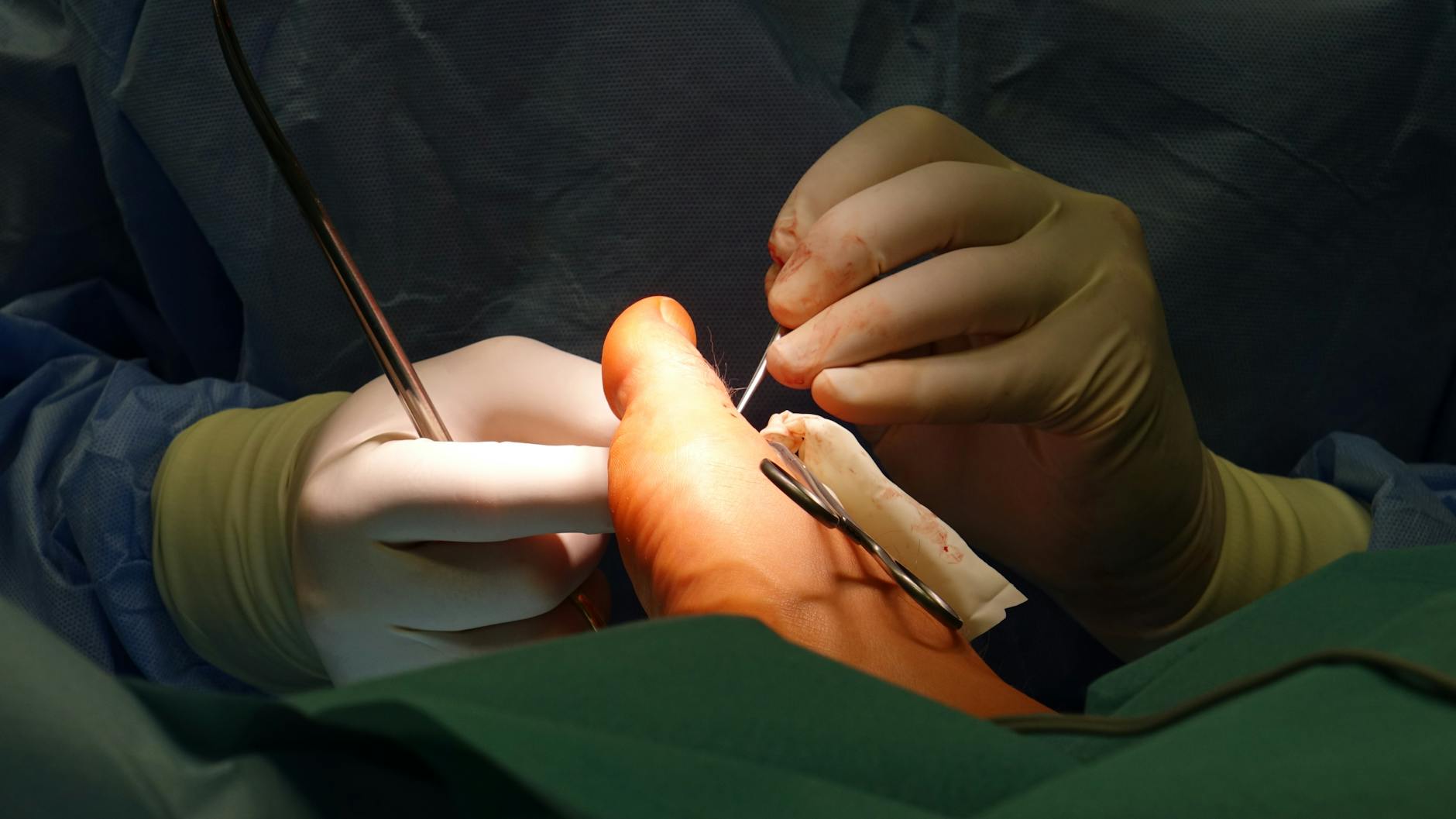
A femoral-popliteal bypass is a surgical intervention aimed at rerouting blood around a blocked artery in the leg. This procedure is typically performed when other treatments, such as lifestyle changes or medications, have failed to alleviate symptoms of PAD. The surgeon uses a graft, which can be a vein from the patient’s own body or a synthetic material, to create a new pathway for blood flow. This bypasses the blocked section of the artery, restoring circulation to the affected leg.
Why Is It Necessary?
The primary goal of a femoral-popliteal bypass is to relieve symptoms associated with PAD, such as claudication (pain while walking), rest pain, and non-healing wounds. Without intervention, these symptoms can lead to severe complications, including tissue death and amputation. By improving blood flow, the procedure helps prevent these outcomes and enhances mobility and quality of life.
Who Is a Candidate?
Patients with significant arterial blockages in the femoral or popliteal arteries, who have not responded to less invasive treatments, are ideal candidates. A thorough evaluation, including imaging tests like an angiogram, helps determine the severity of the blockage and the suitability of the patient for surgery.
How Is the Femoral-popliteal Bypass Performed?
The femoral-popliteal bypass is performed under general anesthesia and typically takes 2-4 hours. The surgeon makes an incision in the leg to access the blocked artery. A graft is then attached above and below the blockage, creating a new route for blood flow. The choice between using a vein graft or a synthetic one depends on the patient’s condition and the surgeon’s preference.
Step-by-Step Process
- Preparation: The patient undergoes pre-operative tests and fasting.
- Anesthesia: General anesthesia is administered for comfort.
- Incision: The surgeon makes an incision to access the artery.
- Graft Placement: The graft is sewn into place, bypassing the blockage.
- Closure: The incision is closed with sutures or staples.
Post-Operative Care
After surgery, patients are monitored in the hospital for 3-5 days. Pain management, wound care, and physical therapy are crucial components of recovery. Patients are advised to avoid strenuous activities and follow a healthy lifestyle to maintain the benefits of the surgery.
What Are the Risks and Benefits?
Like any surgical procedure, the femoral-popliteal bypass carries certain risks, including infection, bleeding, and graft failure. However, the benefits often outweigh these risks, especially for patients with severe PAD. Successful bypass surgery can lead to significant pain relief, improved mobility, and a reduced risk of amputation.
Success Rates and Patient Outcomes
Studies show that the success rate of femoral-popliteal bypass surgery is approximately 80-90%, with many patients experiencing long-term relief from symptoms. Regular follow-up appointments are essential to monitor the graft’s function and address any complications promptly.
Potential Complications
Complications, though rare, can include graft occlusion, infection, and nerve damage. Patients are encouraged to report any unusual symptoms, such as increased pain or swelling, to their healthcare provider immediately.
How Much Does a Femoral-popliteal Bypass Cost?
The cost of a femoral-popliteal bypass can vary significantly depending on the location and healthcare facility. In the United States, the procedure typically ranges from $20,000 to $40,000. However, opting for medical tourism can reduce these costs substantially. For instance, in countries like India or Thailand, the same procedure might cost between $5,000 and $10,000, offering savings of up to 75%.
Cost Breakdown
| Location | Cost | Included | Savings |
|---|---|---|---|
| United States | $20,000-$40,000 | Procedure only | – |
| India | $5,000-$10,000 | All-inclusive package | 75% |
Insurance and Financing
Insurance coverage for femoral-popliteal bypass varies. Patients should consult with their insurance provider to understand their benefits. Additionally, many international clinics offer financing options to make the procedure more accessible.
What to Expect During Recovery?
Recovery from a femoral-popliteal bypass involves several stages. Initially, patients may experience swelling and discomfort, which can be managed with medication. Physical therapy plays a crucial role in regaining strength and mobility. Most patients can resume normal activities within 6-8 weeks, although full recovery may take several months.
Day-by-Day Recovery Timeline
- Day 1-3: Hospital stay with monitoring and pain management.
- Week 1-2: Gradual increase in activity, focus on wound care.
- Week 3-4: Begin physical therapy, continue with light activities.
- Month 1-2: Return to normal activities, follow-up appointments.
Long-term Care
Maintaining a healthy lifestyle, including a balanced diet and regular exercise, is essential for long-term success. Patients should also attend regular check-ups to ensure the graft remains functional.
Frequently Asked Questions
How long does a femoral-popliteal bypass last?
A femoral-popliteal bypass can last 5-10 years or longer, depending on the patient’s health and lifestyle.
Is the procedure painful?
Patients may experience discomfort post-surgery, but pain is managed with medication.
Can I walk after the surgery?
Yes, walking is encouraged as part of the recovery process, starting with short distances.
What are the signs of complications?
Signs include increased pain, swelling, redness, or fever. Contact your doctor if these occur.
How soon can I return to work?
Most patients can return to work within 6-8 weeks, depending on their job’s physical demands.
Is the procedure covered by insurance?
Coverage varies; check with your insurance provider for specific details.
Contact HealthHop for assistance in booking your medical procedure overseas and start your journey to affordable, world-class healthcare today!