EUR
EUR  JPY
JPY  SGD
SGD  AED
AED  GBP
GBP  CNY
CNY  CAD
CAD  HKD
HKD  AUD
AUD  CHF
CHF  SEK
SEK  PLN
PLN  NOK
NOK  DKK
DKK  NZD
NZD  ZAR
ZAR  MXN
MXN  THB
THB  HUF
HUF  MYR
MYR 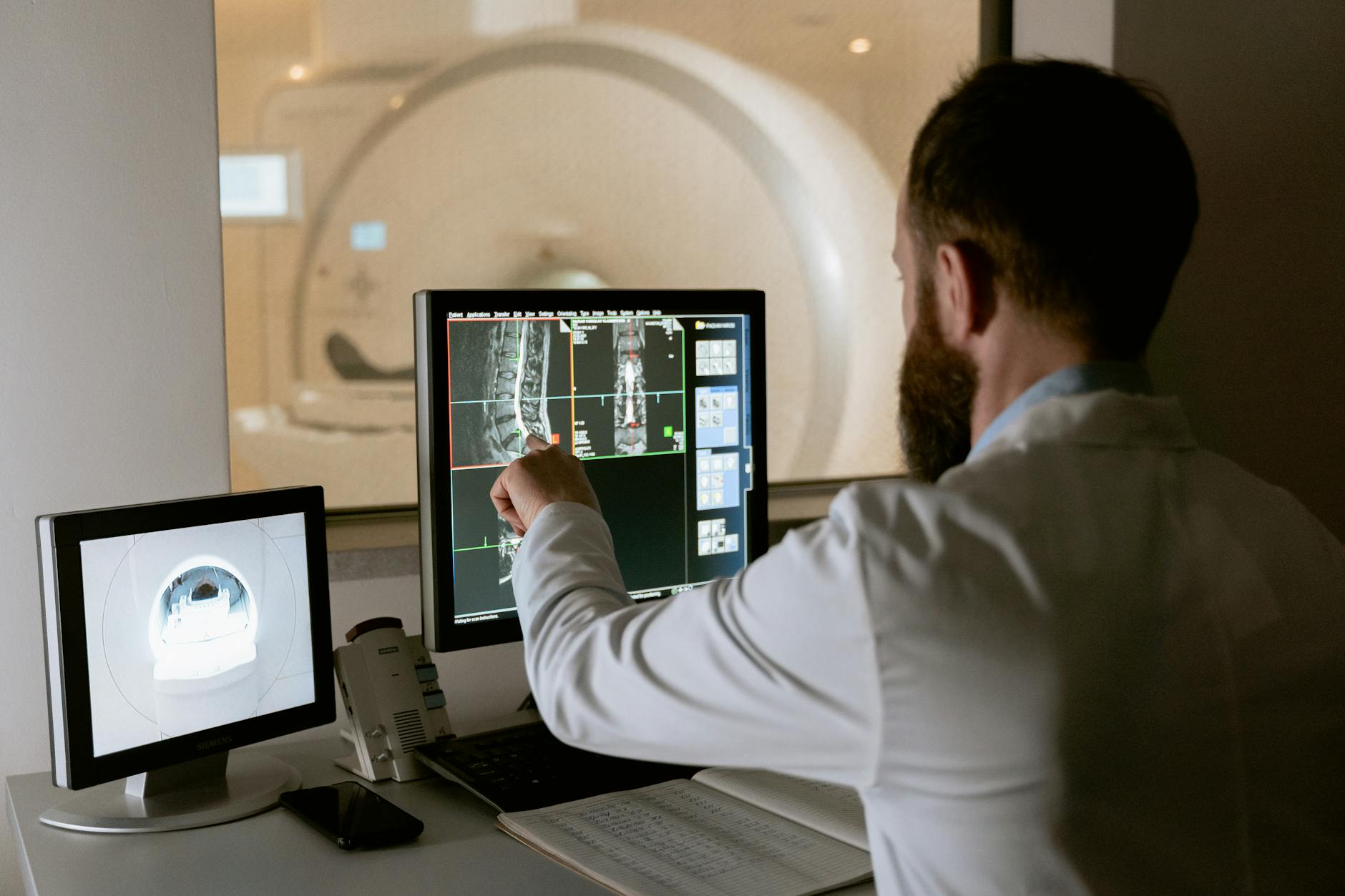
“`
Bone Marrow Aspiration/Biopsy (Hematology): A Comprehensive Guide
When it comes to diagnosing and monitoring blood disorders, bone marrow aspiration/biopsy (Hematology) plays a crucial role. This procedure helps doctors understand the health of your bone marrow, which is vital for producing blood cells. Whether you’re dealing with anemia, leukemia, or other hematological conditions, this test provides essential insights. Let’s explore what this procedure entails, why it’s important, and how it can impact your health journey.
Quick Answer:
- Bone marrow aspiration/biopsy (Hematology) is used to diagnose blood disorders.
- The procedure involves extracting a small sample of bone marrow.
- It helps in diagnosing conditions like leukemia and anemia.
- Costs vary, but it’s often more affordable overseas.
- Recovery is typically quick, with minor discomfort.
What Is Bone Marrow Aspiration/Biopsy (Hematology)?
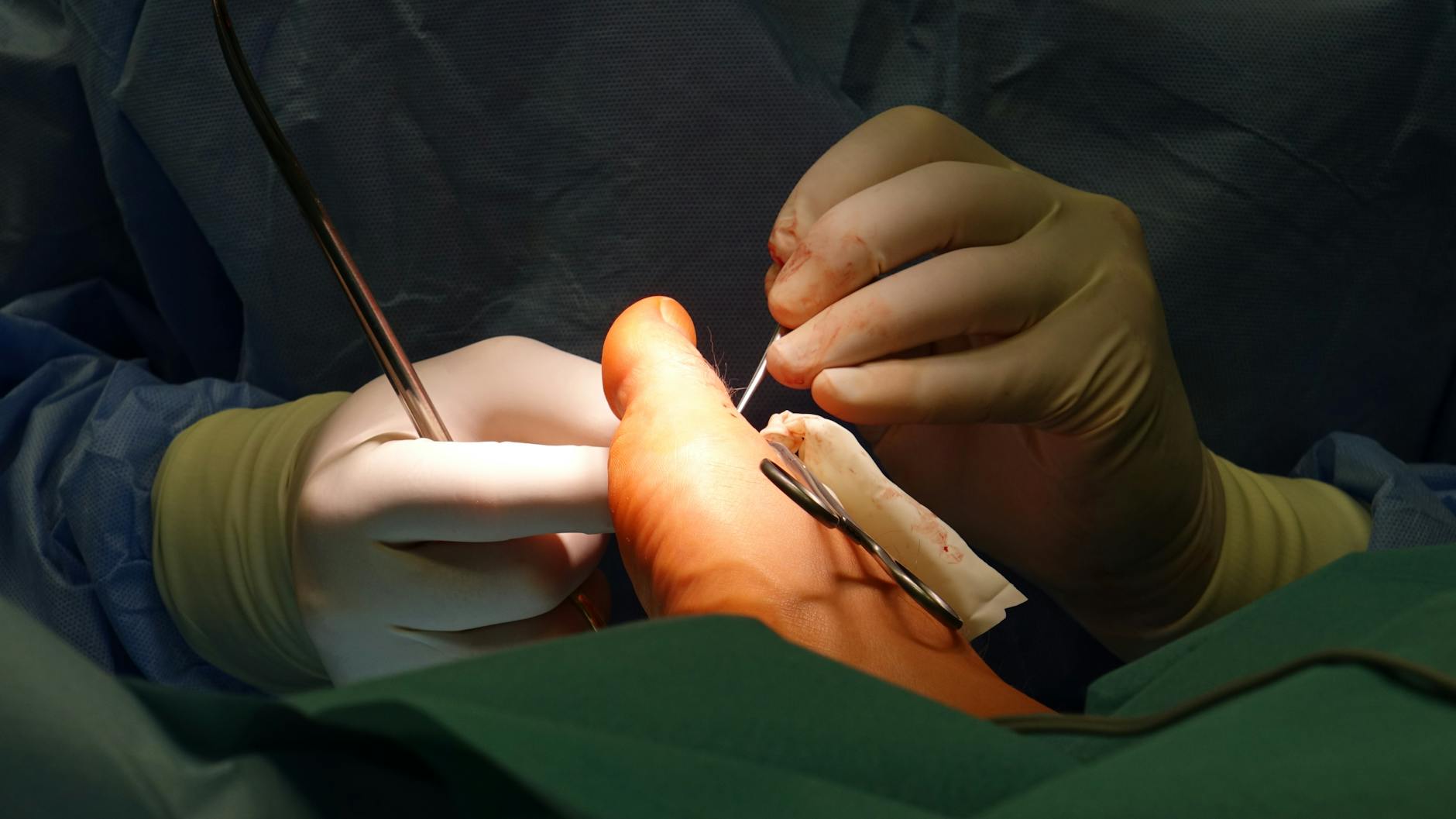
Bone marrow aspiration/biopsy (Hematology) involves extracting a small sample of bone marrow tissue. This procedure is essential for diagnosing various blood disorders. During the process, a needle is inserted into the bone, usually the hip, to collect the sample. This allows doctors to examine the marrow under a microscope, providing insights into your blood cell production and overall marrow health.
Typically, the procedure takes about 30 minutes and is performed under local anesthesia. Patients might feel some pressure or discomfort, but it’s generally well-tolerated. The results can reveal conditions like leukemia, lymphoma, or anemia, guiding further treatment decisions.
Why Is Bone Marrow Aspiration/Biopsy (Hematology) Important?
This procedure is crucial for diagnosing and monitoring blood-related conditions. For instance, if you’re experiencing unexplained anemia, a bone marrow aspiration/biopsy (Hematology) can determine if your marrow is producing enough red blood cells. Similarly, it helps in identifying abnormal cells in cases of leukemia or lymphoma.
Moreover, it aids in assessing the effectiveness of ongoing treatments. By comparing samples over time, doctors can adjust therapies to better suit your needs. This personalized approach ensures optimal care and improved outcomes.
How Is Bone Marrow Aspiration/Biopsy (Hematology) Performed?
The procedure begins with the patient lying on their side or stomach. The doctor cleans the skin and administers a local anesthetic to numb the area. A special needle is then inserted into the bone to extract the marrow sample. While the aspiration involves drawing out liquid marrow, the biopsy collects a small solid piece.
After the sample is obtained, it’s sent to a lab for analysis. The entire process is relatively quick, and patients can usually return home the same day. It’s important to follow any post-procedure instructions to ensure a smooth recovery.
What Should You Expect During Recovery?
Recovery from a bone marrow aspiration/biopsy (Hematology) is typically straightforward. You might experience some soreness or bruising at the site, but this usually resolves within a few days. Over-the-counter pain relievers can help manage any discomfort.
It’s advisable to avoid strenuous activities for a couple of days to allow the site to heal properly. Keep the area clean and dry, and watch for any signs of infection, such as redness or swelling. If you notice anything unusual, contact your healthcare provider promptly.
How Much Does Bone Marrow Aspiration/Biopsy (Hematology) Cost?
The cost of a bone marrow aspiration/biopsy (Hematology) can vary significantly depending on the location and healthcare facility. In the United States, the procedure can range from $1,000 to $3,000. However, opting for medical tourism can offer substantial savings.
For example, in countries like India or Mexico, the same procedure might cost between $300 and $800. This includes the procedure itself, as well as any necessary follow-up care. By choosing to undergo the procedure abroad, you can save up to 70% without compromising on quality.
What Are the Benefits of Medical Tourism for This Procedure?
Medical tourism offers numerous advantages, especially for procedures like bone marrow aspiration/biopsy (Hematology). Not only can you save money, but you also gain access to world-class healthcare facilities. Many international clinics are accredited by organizations like the Joint Commission International (JCI), ensuring high standards of care.
Additionally, medical tourism allows you to combine your healthcare needs with travel. You can explore new cultures and destinations while receiving top-notch medical treatment. It’s a unique opportunity to enhance your health and broaden your horizons.
Frequently Asked Questions
Is bone marrow aspiration/biopsy (Hematology) painful?
The procedure is generally not painful due to local anesthesia. You might feel pressure or discomfort, but it’s usually manageable.
How long does it take to get results?
Results are typically available within a few days to a week, depending on the complexity of the analysis.
Can I travel after the procedure?
Yes, most patients can travel shortly after the procedure, but it’s best to rest for a day or two before embarking on long journeys.
Are there any risks involved?
Risks are minimal but can include infection or bleeding at the site. Following post-procedure care instructions reduces these risks.
Is the procedure covered by insurance?
Coverage varies by insurance plan. It’s advisable to check with your provider to understand your benefits.
Why choose HealthHop for medical tourism?
HealthHop connects you with top-rated clinics and doctors worldwide, ensuring safe and affordable healthcare options.
Contact HealthHop for assistance in booking your medical procedure overseas and start your journey to affordable, world-class healthcare today!
“`