EUR
EUR  JPY
JPY  SGD
SGD  AED
AED  GBP
GBP  CNY
CNY  CAD
CAD  HKD
HKD  AUD
AUD  CHF
CHF  SEK
SEK  PLN
PLN  NOK
NOK  DKK
DKK  NZD
NZD  ZAR
ZAR  MXN
MXN  THB
THB  HUF
HUF  MYR
MYR 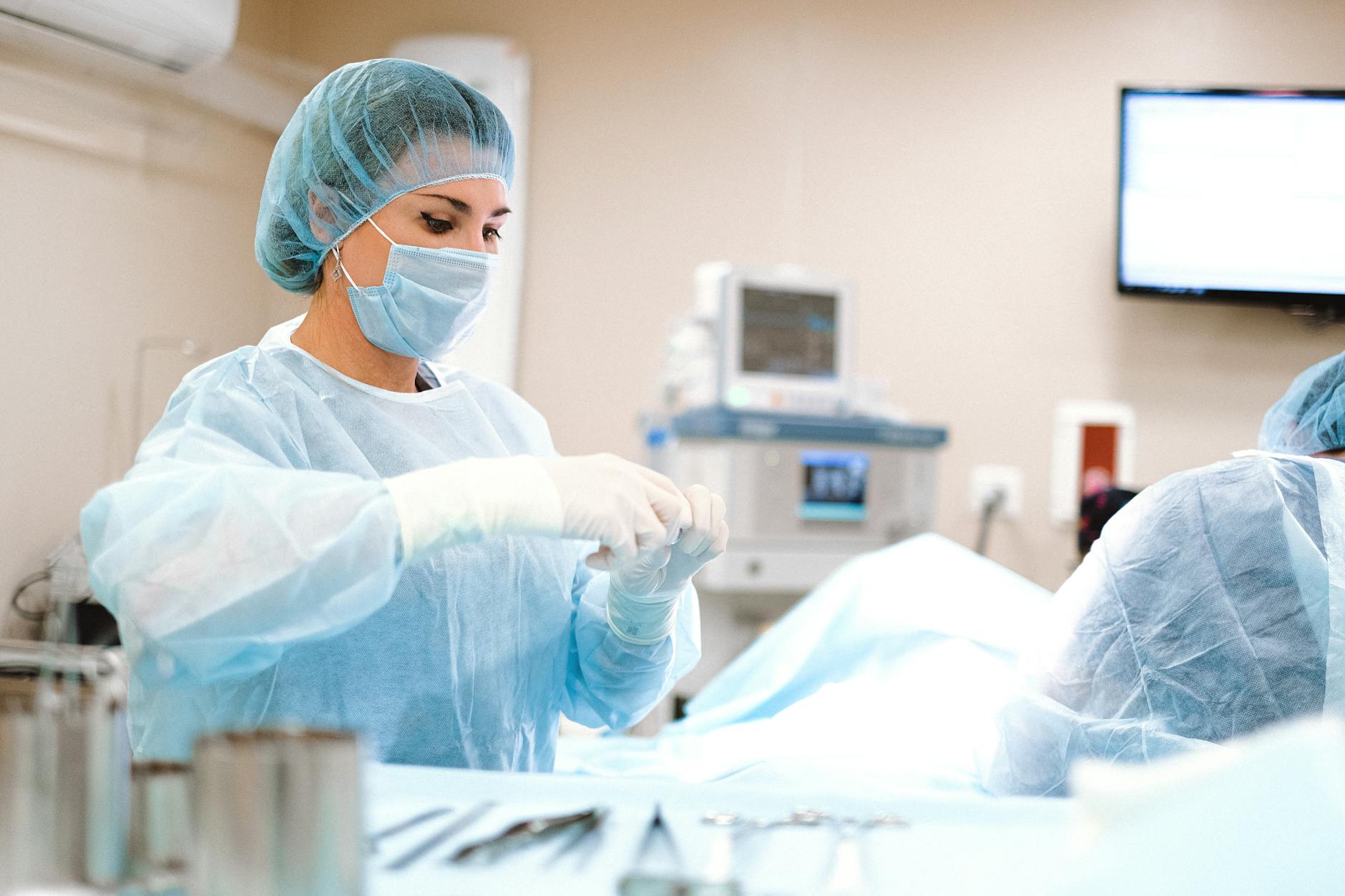
(MAC) is a specialized anesthesia technique that provides comfort and safety during various medical procedures. Unlike general anesthesia, MAC allows patients to remain conscious, yet relaxed, while a skilled anesthesiologist closely monitors their vital signs. This approach is particularly beneficial for outpatient surgeries and diagnostic procedures, offering a balance between sedation and awareness. Understanding the nuances of monitored anesthesia care can help you make informed decisions about your medical treatment options.
Quick Answer:
- Monitored anesthesia care keeps you conscious but relaxed during procedures.
- It’s ideal for outpatient surgeries and diagnostic tests.
- An anesthesiologist monitors your vital signs throughout.
- MAC offers a safer alternative to general anesthesia for certain patients.
What Is Monitored Anesthesia Care?
involves administering sedatives and analgesics to keep you comfortable during a procedure. Unlike general anesthesia, where you’re completely unconscious, MAC allows you to remain awake but relaxed. An anesthesiologist is present to monitor your vital signs and adjust medication levels as needed. This approach is often used for minor surgeries and diagnostic procedures, providing a safer alternative for patients who may not tolerate general anesthesia well.
How Does Monitored Anesthesia Care Work?
During monitored anesthesia care, the anesthesiologist administers medications through an IV to help you relax. These medications can include sedatives, pain relievers, and sometimes local anesthetics. The goal is to keep you comfortable while maintaining your ability to respond to verbal cues. Throughout the procedure, your heart rate, blood pressure, and oxygen levels are closely monitored to ensure your safety.
Benefits of Monitored Anesthesia Care
offers several advantages. First, it reduces the risks associated with general anesthesia, such as respiratory complications. Additionally, recovery times are often shorter, allowing you to return home sooner. MAC is also cost-effective, as it typically requires less time in a medical facility. For patients with certain health conditions, MAC provides a safer option, minimizing the stress on the body.
When Is Monitored Anesthesia Care Used?
is commonly used for procedures that don’t require deep sedation. These include cataract surgeries, colonoscopies, and certain cosmetic procedures. It’s also an excellent choice for patients with underlying health issues that make general anesthesia risky. By providing a tailored level of sedation, MAC ensures patient comfort while maintaining safety.
Examples of Procedures Using MAC
Many outpatient procedures benefit from monitored anesthesia care. For instance, during a colonoscopy, MAC allows you to remain relaxed and comfortable without the need for full unconsciousness. Similarly, in cataract surgery, MAC provides the necessary sedation while allowing you to recover quickly. These examples highlight the versatility and effectiveness of MAC in various medical settings.
Patient Considerations for MAC
Before opting for monitored anesthesia care, it’s essential to discuss your medical history with your healthcare provider. Certain conditions, such as sleep apnea or severe allergies, may influence the choice of anesthesia. Your anesthesiologist will evaluate your health status and tailor the sedation plan to meet your specific needs, ensuring a safe and comfortable experience.
How Safe Is Monitored Anesthesia Care?
is considered safe when administered by a qualified anesthesiologist. The continuous monitoring of vital signs allows for immediate intervention if any issues arise. Additionally, the use of MAC reduces the likelihood of complications associated with deeper sedation levels. However, as with any medical procedure, there are potential risks, which should be discussed with your healthcare provider.
Potential Risks and Complications
While monitored anesthesia care is generally safe, there are some risks to consider. These may include allergic reactions to medications, respiratory issues, or fluctuations in blood pressure. However, the presence of an anesthesiologist ensures that any complications are promptly addressed. It’s crucial to communicate any concerns or previous reactions to anesthesia with your medical team.
Ensuring a Safe Experience
To ensure a safe experience with monitored anesthesia care, follow your anesthesiologist’s pre-procedure instructions. This may include fasting for a certain period or adjusting medications. During the procedure, the anesthesiologist will continuously monitor your vital signs and adjust sedation levels as needed. Post-procedure, you’ll receive specific instructions to aid in your recovery.
Cost Considerations for Monitored Anesthesia Care
The cost of monitored anesthesia care can vary depending on the procedure and location. On average, MAC is more affordable than general anesthesia, as it often requires less time in a medical facility. For example, a colonoscopy with MAC may cost between $1,000 and $3,000, compared to $2,000 to $5,000 with general anesthesia. It’s important to discuss costs with your healthcare provider and insurance company to understand your financial responsibilities.
Insurance Coverage for MAC
Many insurance plans cover monitored anesthesia care, especially for medically necessary procedures. However, coverage can vary, so it’s essential to verify with your insurance provider. Understanding your coverage can help you avoid unexpected expenses and ensure that you receive the necessary care without financial strain.
Comparing Costs: MAC vs. General Anesthesia
| Type of Anesthesia | Average Cost | Recovery Time | Risk Level |
|---|---|---|---|
| Monitored Anesthesia Care | $1,000-$3,000 | Shorter | Lower |
| General Anesthesia | $2,000-$5,000 | Longer | Higher |
Frequently Asked Questions
What is monitored anesthesia care?
Monitored anesthesia care is a type of sedation where patients remain conscious but relaxed, with an anesthesiologist monitoring vital signs throughout the procedure.
How does MAC differ from general anesthesia?
Unlike general anesthesia, which renders patients completely unconscious, MAC allows patients to stay awake but relaxed, reducing recovery time and risks.
Is monitored anesthesia care safe?
Yes, MAC is safe when administered by a qualified anesthesiologist who monitors vital signs and adjusts sedation levels as needed.
What procedures commonly use MAC?
Procedures like colonoscopies, cataract surgeries, and certain cosmetic surgeries often use monitored anesthesia care for patient comfort and safety.
How much does monitored anesthesia care cost?
The cost of MAC varies but typically ranges from $1,000 to $3,000, depending on the procedure and location.
Does insurance cover monitored anesthesia care?
Many insurance plans cover MAC, especially for medically necessary procedures, but it’s important to verify with your provider.
Contact HealthHop for assistance in booking your medical procedure overseas and start your journey to affordable, world-class healthcare today!