EUR
EUR  JPY
JPY  SGD
SGD  AED
AED  GBP
GBP  CNY
CNY  CAD
CAD  HKD
HKD  AUD
AUD  CHF
CHF  SEK
SEK  PLN
PLN  NOK
NOK  DKK
DKK  NZD
NZD  ZAR
ZAR  MXN
MXN  THB
THB  HUF
HUF  MYR
MYR 
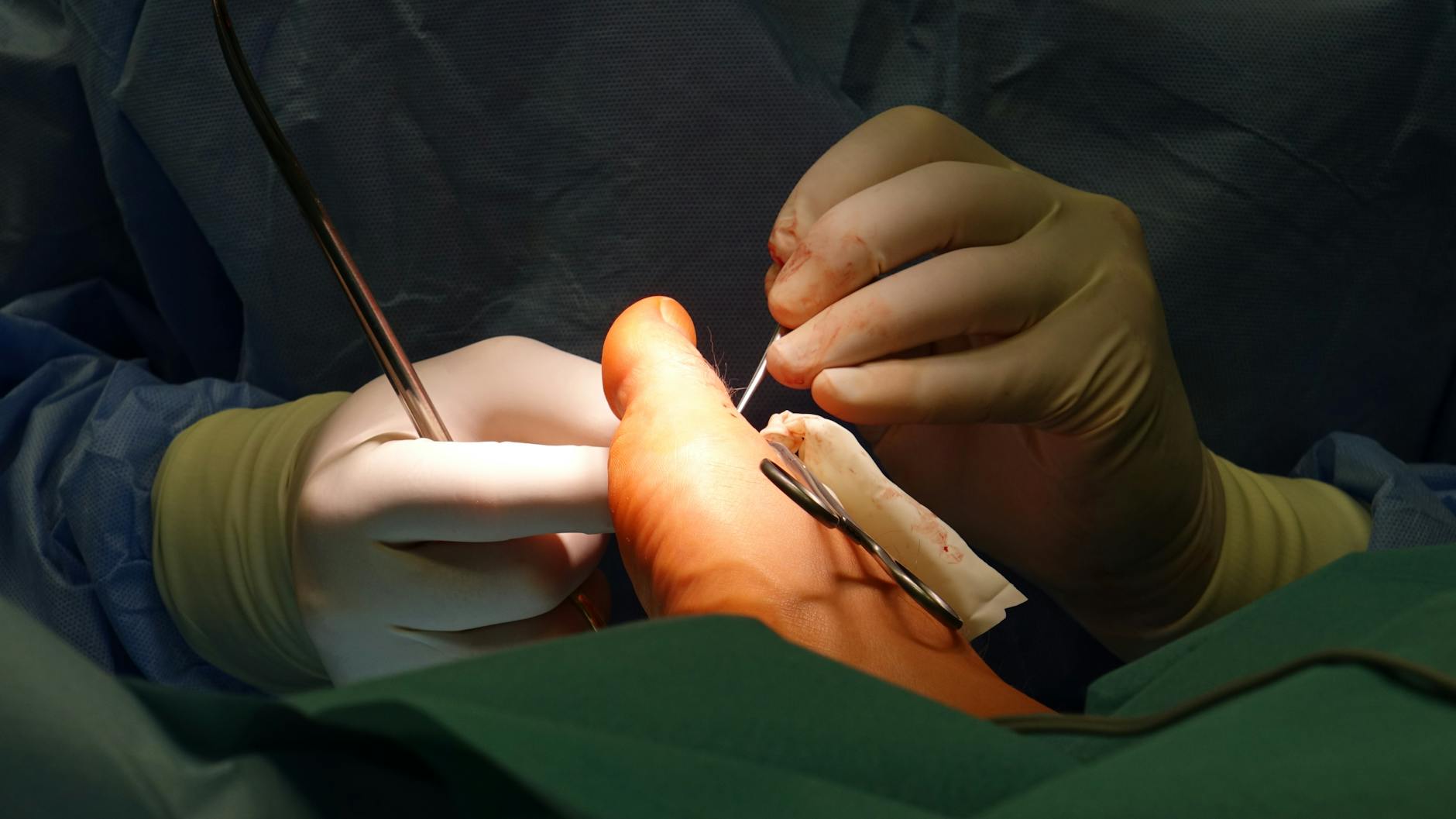
Orthopedic surgeries are essential procedures that address a wide range of musculoskeletal issues. These surgeries can significantly improve quality of life by alleviating pain and restoring mobility. Whether you’re dealing with a sports injury or chronic joint pain, understanding the different types of orthopedic surgeries can help you make informed decisions about your health. In this article, we will explore various aspects of orthopedic surgeries, including common procedures, recovery processes, and how to choose the right surgeon.
Understanding Orthopedic Surgeries
Orthopedic surgeries encompass a variety of procedures aimed at treating conditions related to bones, joints, ligaments, tendons, and muscles. These surgeries are often necessary when non-surgical treatments fail to provide relief. Common orthopedic surgeries include joint replacements, arthroscopy, and spinal surgeries.
Common Types of Orthopedic Surgeries
Joint replacement surgeries, such as hip and knee replacements, are among the most frequently performed orthopedic procedures. These surgeries involve replacing damaged joints with artificial components. Arthroscopy, on the other hand, is a minimally invasive procedure used to diagnose and treat joint problems. Spinal surgeries address issues like herniated discs and spinal stenosis.
Benefits of Orthopedic Surgeries
Orthopedic surgeries offer numerous benefits, including pain relief, improved mobility, and enhanced quality of life. For instance, joint replacement surgeries can significantly reduce pain and increase the range of motion. Additionally, these procedures can help patients return to their daily activities and enjoy a more active lifestyle.
Improved Quality of Life
By addressing the root cause of pain and discomfort, orthopedic surgeries can lead to a more fulfilling life. Patients often report increased independence and the ability to participate in activities they once enjoyed. Moreover, these surgeries can prevent further deterioration of the affected area.
Preparing for Orthopedic Surgeries
Preparation is crucial for a successful outcome. Patients should follow their surgeon’s instructions carefully, which may include pre-operative tests and lifestyle adjustments. Additionally, understanding the procedure and recovery process can help alleviate anxiety and set realistic expectations.
Pre-Operative Considerations
Before undergoing orthopedic surgeries, patients may need to undergo various tests, such as blood work and imaging studies. These tests help ensure that the patient is in optimal health for surgery. Furthermore, patients may be advised to stop certain medications and adopt a healthier lifestyle.
- Follow dietary recommendations
- Engage in pre-surgery physical therapy
- Arrange for post-surgery assistance
Recovery After Orthopedic Surgeries
Recovery is a critical phase that requires patience and adherence to medical advice. The recovery process varies depending on the type of surgery and the individual’s overall health. Physical therapy often plays a vital role in regaining strength and mobility.
Post-Operative Care
Post-operative care involves managing pain, preventing infections, and gradually increasing activity levels. Patients should attend all follow-up appointments and communicate any concerns with their healthcare provider. Additionally, following a structured rehabilitation program can enhance recovery outcomes.
- Adhere to prescribed medication schedules
- Participate in recommended physical therapy sessions
- Monitor for signs of complications
Choosing the Right Surgeon for Orthopedic Surgeries
Selecting a qualified and experienced surgeon is crucial for the success of orthopedic surgeries. Patients should research potential surgeons, considering factors such as credentials, experience, and patient reviews. Consulting with multiple surgeons can provide valuable insights and help in making an informed decision.
Factors to Consider
When choosing a surgeon, consider their specialization in the specific type of orthopedic surgery you require. Additionally, evaluate their communication style and willingness to answer questions. A good rapport with your surgeon can enhance your overall experience and confidence in the procedure.
For more information on orthopedic surgeries, you can visit OrthoInfo by the American Academy of Orthopaedic Surgeons or NIAMS.
Next Steps for Considering Orthopedic Surgeries
Deciding to undergo orthopedic surgeries is a significant decision that requires careful consideration. Start by consulting with your primary care physician to discuss your symptoms and explore non-surgical options. If surgery is recommended, research potential surgeons and facilities to ensure you receive the best care possible. Remember, being well-informed and prepared can lead to a successful surgical outcome and a healthier, more active life.